Kara Willis, the president of CycleBar, explains why sustainable boutique fitness growth will increasingly rely on both strong studio economics and strong community connections.
Boutique fitness has never been a static industry. Consumer preferences change, new workout formats emerge and the concepts that dominate one decade often look very different in the next. Indoor cycling is no exception.
Over the past several years, we’ve watched the boutique cycling category experience tremendous growth, increased competition and a period of consolidation. Some established operators have pulled back or exited markets altogether, leading to questions about the future of dedicated cycling studios.
But I don’t believe indoor cycling is going anywhere. Cycling ranked as the fourth most-booked workout category globally on ClassPass, with reservations increasing 6% year over year. I believe we’re entering a new chapter, one where successful operators understand their communities, run disciplined businesses and recognize that today’s fitness consumer expects more than a great workout.
The Shift From Expansion to Sustainable Unit Economics
I’ve spent much of my career in boutique fitness, working with brands including Orangetheory Fitness, F45 Training and TITLE Boxing Club before recently becoming the president of CycleBar. I’ve also worked on both sides of the franchise relationship, supporting franchisees and operating within the four walls of a fitness business myself. For years, much of the boutique fitness industry’s growth story centered on expansion. New studios, new markets and new concepts were often the most visible indicators of success.
Today, I believe the conversation needs to start somewhere different: What’s happening inside the studios we already have?
A brand can have tremendous consumer recognition, a passionate following and an attractive workout experience, but none of those things automatically translate into profitability. The underlying economics have to make sense. That means understanding everything from staffing and instructor utilization to membership conversion, retention, class scheduling and operating expenses.
Smaller studio footprints can offer an advantage in this environment. Compared with traditional full-service fitness clubs, boutique studios generally require less square footage and can operate with more focused staffing and equipment needs. When the model is structured appropriately, that can translate into a more manageable fixed-cost base. Of course, smaller doesn’t automatically mean more profitable. Rent, equipment financing, labor and customer acquisition costs can still put significant pressure on a boutique studio. Operators have to make sure their available class capacity, pricing and membership base can support those expenses.
The opportunity is to become more intentional about how every square foot and every class contributes to the business.
At CycleBar, our immediate priority is strengthening unit economics. We’re going back to basics, examining the member experience, refining sales processes and working closely with franchisees to identify what’s already working across the system and what needs to be adjusted.
Why Local Ownership Matters More Than Ever
One of the greatest strengths of the franchise model is the combination of a recognizable brand and a local business owner who understands the market. Franchisees are often community members themselves. They know the neighborhoods, the local employers, the schools and the other businesses their members frequent.
That local knowledge becomes particularly valuable in boutique fitness, where relationships and personal connections are central to the experience. A studio in a suburban, family-oriented market may need a different class schedule, promotional strategy and community engagement approach than a studio in an urban neighborhood filled with young professionals.
The underlying brand experience should remain consistent, but the way an owner connects that experience to the community can and should reflect local needs.
For example, a franchisee might develop relationships with nearby running clubs, organize community rides, partner with local employers on wellness initiatives or create events around causes that matter to members. It also means franchisees need the flexibility to respond to what they’re seeing in their markets. If a particular class time isn’t performing, they should be looking at the data and adjusting. If members are expressing interest in performance-focused programming, that feedback should inform how the studio engages them.
As a franchisor, our responsibility is to provide the systems, training, technology and brand standards that support those decisions while listening closely to the people operating the businesses every day.
I spend a tremendous amount of time engaging with our franchise advisory council because I don’t believe effective decisions can be made from an ivory tower. Our franchisees are on the ground. They’re hearing what members want, understanding where the friction points are and finding creative ways to solve problems.
Some of the best ideas in a franchise system come directly from those operators. Our job is to identify those practices, understand why they’re working and determine how to make them scalable.
The Next Generation of Boutique Cycling Will Be More Than Cardio
While the business fundamentals are critical, operators also have to pay attention to where consumer expectations are heading.
One of the biggest changes I’m seeing is the growing interest in performance, longevity and holistic wellness. Consumers aren’t necessarily thinking about fitness as an isolated activity anymore. They’re asking how their workouts support their overall health, athletic performance and quality of life. HFA research found that more than 75% of studio users also maintain another fitness facility membership.
We’re seeing more people participate in running events, marathons and other performance-oriented activities. HYROX class reservations on ClassPass increased 432% globally in 2025, for example, while searches rose 506%.
I’m part of that audience myself. I compete in HYROX, and I’ve been incorporating indoor cycling into my own cross-training, because it offers a cardiovascular training option that can complement strength training, running and other activities. But to capitalize on that opportunity, cycling brands need to communicate their value in ways that resonate with these consumers.
At CycleBar, we’re looking at how to evolve our programming while remaining true to the experience people already love. One area we’re exploring for 2027 is hybrid class programming that combines time on the bike with structured strength components off the bike. We’re also evaluating ways to incorporate more performance metrics, technology and ancillary wellness offerings into the studio experience, including pilots involving red light therapy.
These are opportunities we’re exploring and developing, not a reason to abandon our core product.
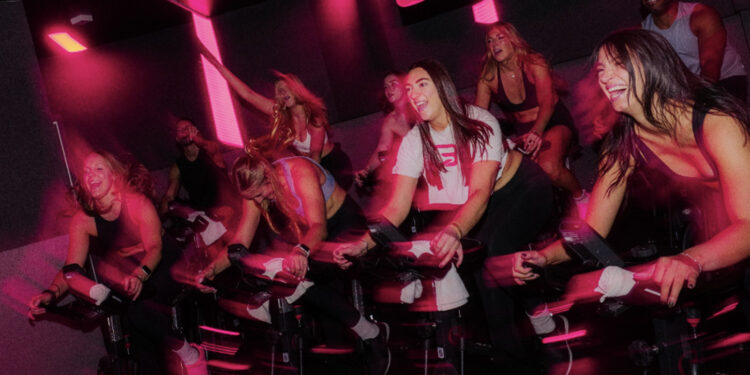
People come to indoor cycling because it’s fun. There’s energy in the room, music, an instructor who motivates you and a collective experience that can make a challenging workout feel exciting. The goal isn’t to turn every cycling class into an athletic performance test. It’s to give members more options and more reasons to engage with the brand, whether they’re riding for enjoyment, improving cardiovascular fitness or training toward a specific goal.
The Future Belongs to Operators Who Can Adapt
I don’t think the future of boutique fitness is a choice between traditional specialty studios and completely new workout concepts. I think the opportunity lies in combining what has always made boutique fitness successful with a more sophisticated understanding of today’s consumer.
People still want community, accountability, an instructor who motivates them and a workout they enjoy. But increasingly, they also want flexibility, measurable results and experiences that contribute to their broader health and wellness goals.
For franchisees, that means knowing their numbers, understanding their communities and staying close to their members. For franchisors, it means providing meaningful support, listening to operators and developing innovations that strengthen the underlying business rather than simply generating excitement around something new.
I remain incredibly bullish on indoor cycling because I believe the fundamental experience still resonates with consumers. We have an opportunity to introduce that experience to new audiences, strengthen its role in the broader fitness ecosystem and build healthier businesses in the process.
That’s how we build an industry that doesn’t just grow, but lasts.