



For decades, the general manager role has been a cornerstone of health club operations. It’s the position owners lean on to maintain order, drive results, and act as the primary conduit between leadership and the front line.
At Catalyst Fitness, that assumption was quietly unraveling.
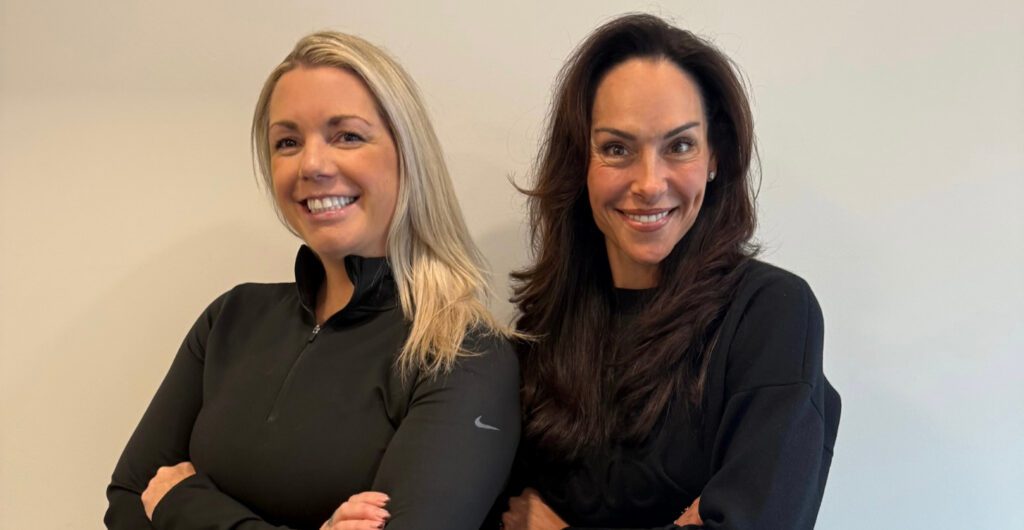
“We would have management meetings every Wednesday,” said Amy Bueme, the owner of Catalyst Fitness in Buffalo, New York. “We’d talk about what was going on in the clubs, things we wanted to implement, and we’d say, ‘Go back and empower the staff.’ But nothing ever made it to the front line.”
The disconnect became impossible to ignore. Conversations stayed trapped in leadership meetings. Execution stalled. And the people closest to members — the front desk, sales staff, shake bar teams — were left out of decisions that directly affected their work.
What followed was a radical operational decision: Catalyst eliminated the general manager position entirely.
Two years later, the company is operating eight locations without general managers — and according to Bueme and Area Director Jen Trees, the business is stronger because of it.
The Breaking Point
The catalyst for change wasn’t a single metric or missed KPI. It was a pattern.
“Everything would stay in that room,” said Bueme, referencing the weekly leadership meetings with GM and the owners. “The managers would nod and say everything was great. And then you’d dig in later and realize it wasn’t.”
At the same time, payroll pressures were mounting, frontline wages were constrained and accountability felt misaligned.
That’s when Bueme and Trees came to a realization. The traditional hierarchy wasn’t just inefficient — it was blocking communication, suppressing leadership potential and creating a false sense of control. So they made a clean break.
“We just 86’d the managers,” said Bueme.
Moving From Titles to Ownership
Removing general managers didn’t mean removing leadership. It meant redefining it.
“It was very title-driven,” explained Trees. “The consumer would say, ‘Where’s the manager?’ And if the manager wasn’t there, nothing got resolved.”
Instead of replacing one role with another, Catalyst shifted to a team-driven structure where leadership is distributed and situational. Empowering multiple leaders has created far more consistency than relying on a single authority figure.
But, the result was even more nuanced than they could have expected.
Discovering the Bench That Was Already There
One of the biggest surprises came quickly.
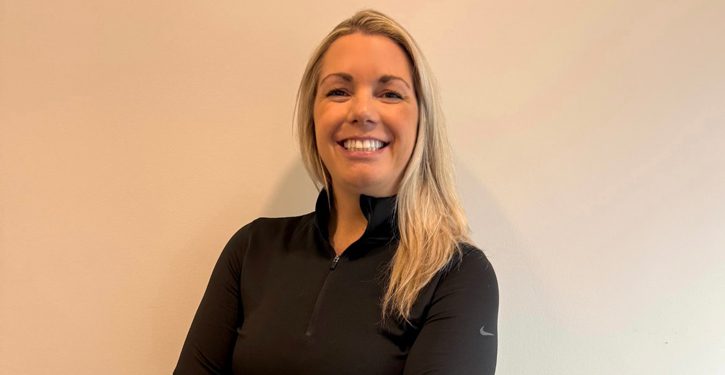
As Trees began spending time directly with frontline staff — learning their strengths, weaknesses, and interests — engagement changed almost overnight.
“People I thought were lazy or just standing there were suddenly engaged,” said Bueme. “They were taking pride in what they were doing. They felt like they were part of the team.”
Without the pressure of a title or fear of failure, staff members began stepping forward organically.
“A lot of them came to us and said, ‘I’ll take on more responsibility. I’ll be your go-to,’” said Bueme. “And it shocked me who said it.”
Catalyst began inviting frontline employees into Wednesday leadership meetings, giving them a voice in decisions that had previously bypassed them entirely.
“We’d buy pizza,” said Bueme. “And we’d hear what they had to say.”
The result: stronger ideas, better execution and a leadership pipeline built from within.
Introducing “Jen’s University”
To support the new structure, Trees created what the team informally calls “the university” — a hands-on onboarding and development program for every employee, regardless of role or hours.
“It doesn’t matter if you’re 20 hours a week or full time,” Trees said. “Everyone gets the same foundation.”
New hires from all locations train together. They walk the floor, make shakes, handle retail cash-outs, review KPIs, and learn how every part of the club operates.
“We sell the product as people,” Trees said. “If I don’t sit with them, I don’t know who they are.”
The training is intentionally in-person.
“I don’t want to just record videos and hope they watch them,” said Trees. “They might skip through it. They won’t retain it. And I won’t get to know them.”
The program also serves as a real-time evaluation tool — identifying future leaders, spotting red flags early and reinforcing expectations through action rather than policy.
Financial Flexibility and Better Incentives
Another benefit to eliminating general manager salaries is the immediate payroll flexibility.
“That money didn’t disappear,” said Bueme. “It allowed us to spread it out.”
Catalyst reinvested those dollars into commissions, incentives and performance-based pay for frontline leaders — creating clearer financial upside and stronger buy-in.
In a labor market where entry-level wages continue to rise outside the fitness industry, that shift mattered.
“You can go to Burger King and make $20 an hour,” said Bueme. “So we have to create value, opportunity and culture.”
A Culture That Self-Corrects
Perhaps the most powerful outcome to eliminating the general manager position has been peer accountability.
“Our A players don’t want to work with C players,” said Trees. “And now they call it out.”
Instead of issues being filtered through a manager, problems surface faster — and are addressed collectively.
“We’re creating future leaders,” said Trees.
The same transparency applies upward. Staff regularly flag operational issues that ownership might otherwise miss — from guest policies to workflow inefficiencies — and leadership acts on that feedback.
“If we didn’t run this model, we wouldn’t know,” said Trees.
Advice for Operators Considering the Shift
Both leaders acknowledge the model isn’t plug-and-play.
“You have to look in the mirror first and ask if you can actually execute it,” said Trees.
Bueme agrees. “It starts at the top,” she said. “You can’t say this is what we’re doing and then walk away. You have to stay consistent until the roots grow.”
Redefining What Leadership Looks Like
Two years in, Catalyst has no plans to bring the general manager role back.
“It’s been working,” said Bueme. “We have better payroll, more productivity, better communication.”
More importantly, the clubs have depth.
“If we want to open a new location, we don’t panic,” Bueme said. “We have a bench.”
For operators willing to challenge long-held assumptions, Catalyst’s experience offers a compelling takeaway: leadership doesn’t disappear when titles do — it multiplies.
“Knowledge is power,” Bueme said. “And you get more knowledge from your frontline team than you ever will from a manager.”







Very interesting how this worked for them. It seems to make alot of sense. Would love to talk to them. Is there any contact info for them or can you forward my contact info to them.