At 24 Hour Fitness, the 65-and-older demographic now represents more than 200,000 members. It’s one of the company’s fastest-growing segments, increasing at double-digit rates.
Just as notable, this group is visiting clubs more frequently than many younger cohorts.
For operators, the data points to a clear opportunity. By 2030, adults over 65 are projected to become the largest generational demographic in the U.S., surpassing Gen Z. The question is no longer whether to invest in this population, but how to do so strategically.
Programming for Longevity and Function
According to Karl Sanft, the CEO of 24 Hour Fitness, one of the most important lessons coming out of the COVID-19 pandemic was the impact of preexisting conditions and social isolation particularly among older adults.
“They were one of the first groups back after COVID-19,” said Sanft. “For many of them, the gym is not only exercise and wellness — it’s their community.”
In response, 24 Hour Fitness has increased its focus on programming that supports functional longevity, including mobility, balance and flexibility classes. Fall prevention is a key consideration.
“When people get hurt at that age and fall at that age there’s a lot of science behind the precipitous decline that occurs there,” Sanft explained. “Anything we can do to help avoid those situations, I think is paramount.”
Rather than positioning the 65-and-older demographic as low-intensity participants, the company is tailoring offerings around stability, independence and quality of life — outcomes that resonate strongly with this age group.
Expanding Recovery and Premium Modalities
Beyond traditional group exercise formats such as SilverSneakers, 24 Hour Fitness has expanded recovery and specialty programming to meet growing demand.
The company is working to roll out enhanced recovery offerings and is investing in additional modalities, including red light therapy. While recovery is not new to the industry, it is a newer initiative for the brand.
“ We’re catching up fast and we’ll go from behind to even to a leader with some of the things that we haven’t announced that we have coming in recovery,” said Sanft.
Pilates is another area of growth. Both instructor-led and on-demand Pilates have been introduced in several clubs, with strong demand across demographics, including older members.
“It’s not only a great modality — it’s a great value compared to what you can see in a lot of boutiques,” noted Sanft.
For operators, the takeaway is that older members are willing to engage in premium experiences when the value proposition is clear.
Technology Adoption: Support Drives Usage
While the industry often assumes older adults are resistant to technology, 24 Hour Fitness has seen consistent adoption of on-demand platforms.
Sanft attributes that success to guided onboarding and staff support.
“It’s a matter of showing members what’s possible,” he said. “Maybe they start with an instructor and transition to on-demand. Maybe a team member walks them through it.”
The broader increase of smartphones has increased digital literacy across age groups, reducing the barrier to entry. Sanft explained that operators investing in digital solutions may find higher engagement when paired with hands-on support.
Representation and Relatability Matter
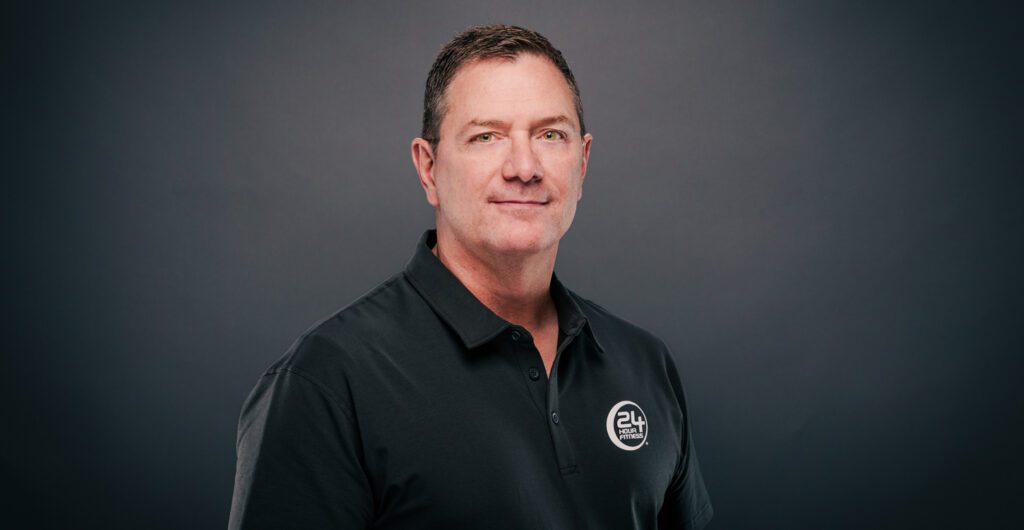
Sanft also points to staffing as a critical component of serving this demographic effectively.
When interviewing for the role, Sanft requested a visual review of general managers across the company, specifically looking for diversity. “People like to train with people who understand them,” he said. “People like to train with people who have had sets of experiences like them, and then people like to find ways to learn and engage with that group.”
While many younger trainers successfully work with older clients, Sanft believes lived experience can strengthen trust and relatability — particularly when working around joint replacements, injuries or long-term health considerations.
That relatability can influence both personal training engagement and long-term retention.
Three Strategic Priorities for Operators
Looking ahead, Sanft outlined three areas operators should prioritize when targeting and retaining the 65-plus demographic:
1. Ask Questions. Avoid assumptions. Understand what members are trying to accomplish — whether that’s strength, mobility, social connection or mental well-being.
2. Create Inclusive, Diverse Environments. Ensure leadership teams and training staff reflect the membership base. Community and belonging remain primary drivers of frequency and loyalty.
3. Remain Flexible. Member expectations, schedules and modality trends evolve quickly. Operators must be willing to adapt class offerings, hours and investments based on feedback.
“It’s cliché, self admittingly, but this whole assertion of servant leadership, listening to your members and your team members and making sure you adapt — there’s a lot of wisdom in that,” said Sanft.
At 24 Hour Fitness, that commitment to feedback is formalized through monthly town halls, reinforcing a culture of responsiveness.
A Growing Segment with Long-Term Potential
The 65-and-older demographic is engaged, motivated and increasingly influential within club membership bases. For many, fitness is tied not only to physical health but also to independence, social connection and overall well-being.
As this population continues to expand, operators who align programming, staffing and facility investments with its needs may find meaningful opportunities for growth and retention.
For 24 Hour Fitness, the strategy is clear: meet members where they are and continue evolving alongside them.