Leaders from the fitness club industry, campus recreation departments and community rec centers share how they’re redesigning gyms to prioritize strength, connection and experience.
As the fitness landscape evolves, so does the fitness floor. Between shifts from cardio to strength, the rise of boutique-style fitness and the emphasis on creating community through intentional design, facilities are reimagining how space can inspire movement.
In the latest Thought Leaders panel, leaders from the fitness club industry, campus recreation departments and community rec centers shared how they’ve been rethinking gym design to meet evolving member expectations.
The roundtable began with a discussion on the biggest layout shifts the panelists have seen in recent years.
Stephen Gray, the director of the Prosserman JCC, said one of the biggest shifts he’s seen is how many JCCs are scaling back their traditional cardio offerings. When they had the opportunity to redesign during their recent renovation, they emphasized strength training while shrinking down on cardio equipment.
In the campus recreation sphere, many students are prioritizing leisure spaces. Brittany Todd, the director of fitness at Embry-Riddle Aeronautical University, said her department intentionally designed a space for students to relax, study or find community.
Another fitness trend taking over the industry is the rise of boutique-style fitness spaces.
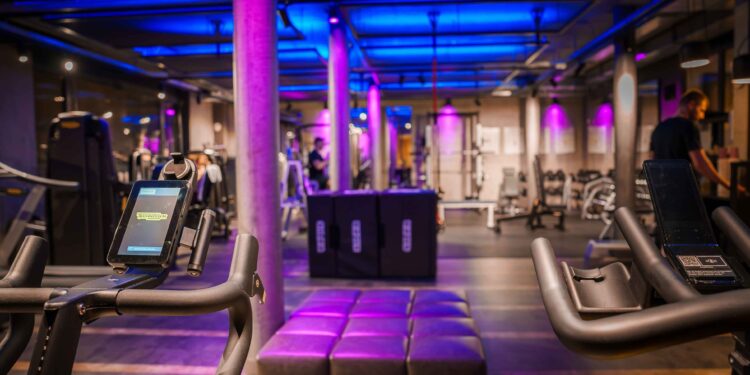
Jared Williams, the CEO and founder of Dynamic Fitness, said owners have to invest in the space to make it look like a studio. Williams transformed the gym’s cycle studio into a designated glute area decorated with LED lights and mirrors to create a fun, strength-specific area.
“We’re starting to see that the presentation of a club not only attracts new members, but also keeps our members happy,” said Williams. “It’s motivating, creates a great vibe inside the club and gives members a totally different experience across the board.”
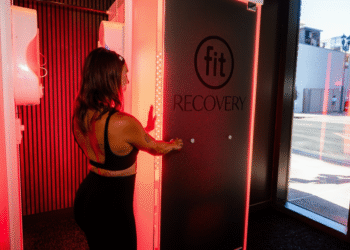
When it comes to facility design, the panelists agree it can directly impact the way members feel. Williams said his team focuses on giving each space a different experience. The workout floor has a high-energy design, while recovery spaces are more relaxing.
Todd emphasized how her university keeps the layout basic: the first floor houses strength training equipment for convenience, and the second floor focuses more on cardio and group programming. She said these dedicated spaces also help to enhance a boutique-style feel.
Gray and his team prioritize inclusivity through variety. “We want to provide a safe, comfortable, warm setting for any type of fitness user, regardless of their goals,” he said. “It’s important to have spaces where these different backgrounds can coexist harmoniously.”
Another aspect of club design the panelists discussed is cohesive branding. At Todd’s previous university, they worked with a designer to create a graffiti-style branded wall. “Students loved to come in and take photos, but it also upgraded the space,” she said. “It’s a small win to make a big impact.”
The Prosserman JCC ties all of its design details back to its branding — whether it’s through a color scheme or the type of font they use. And Williams said his club also utilizes a selfie area with a mirror wrapped in LED lights with the Dynamic Fitness logo.
Each panelist closed with one last piece of advice for owners and operators considering a design update.
Todd encouraged professionals to “cut the guesswork and make sure you know your patron base.” She said understanding who you’re serving and what they want makes the biggest difference in design decisions.
Williams offered a simple yet impactful design tip: repaint your club. “It’ll be a huge differentiator for you and the cheapest cost you can budget in,” he said.
Gray emphasized flexibility and collaboration. He said to future-proof your plans and always give yourself the opportunity to go a different direction if something doesn’t work out. He also recommended not designing in a vacuum and gathering member feedback.
As the panel came to a close, one thing was clear: today’s fitness spaces are no longer static. They’re evolving environments designed to meet members where they are — and keep them coming back.