With the arrival of 2026 comes a new set of fitness trends that commercial club leaders should be watching closely. For the 20th consecutive year, the American College of Sports Medicine (ACSM) released its annual Worldwide Fitness Trends forecast, drawing insights from a global survey of more than 2,000 clinicians, researchers and fitness professionals.
This year’s rankings offer important signals for health club operators focused on growth, retention and differentiation. From wearable technology to active aging programs and data-driven training, these trends highlight how member expectations continue to evolve — and where smart investments can deliver ROI. Here’s a look at the top 10 fitness trends for 2026 and what they mean for commercial clubs.
1. Wearable Technology
Wearable technology once again claims the top spot for 2026, continuing a nearly decade-long run at or near No. 1. Devices such as fitness trackers, heart rate monitors and smartwatches are now deeply embedded in how members measure progress and define success.
For club operators, the opportunity lies in integration, not adoption. Clubs that connect wearables to programming, coaching, challenges and accountability systems can increase engagement and retention. As innovation accelerates, leaders should be mindful of accuracy differences across devices and focus on translating data into meaningful guidance rather than raw numbers.
2. Fitness Programs for Older Adults (Active Aging)
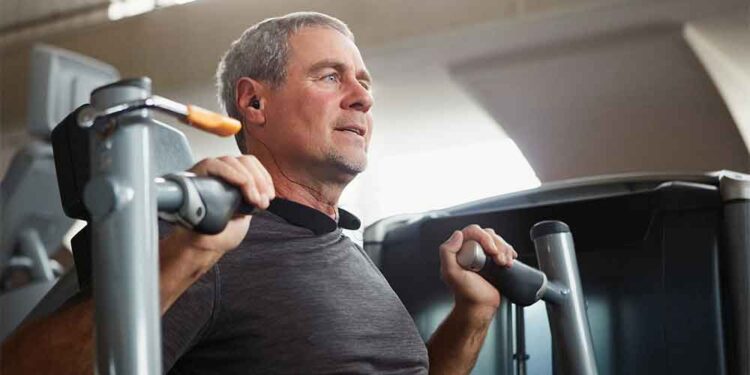
Climbing from No. 3 in 2025, active aging reflects the growing influence of the 73 million baby boomers in the U.S. This demographic values structured, safe and results-driven programming — and they often represent some of the most loyal members in a club.
Health clubs that invest in staff training, strength-based programming, balance work and mobility-focused offerings can better serve this group while driving long-term membership stability and secondary revenue through small group and personal training.
3. Exercise for Weight Management
This is the highest ranking ever for this trend, driven in part by the widespread use of GLP-1s and other obesity management medications. While medication may support weight loss, exercise remains essential for strength preservation, metabolic health and long-term success.
Clubs are well-positioned to reframe exercise as a performance and lifestyle solution, not just a calorie-burning tool. Positioning trainers and coaches as trusted partners in this journey can deepen relationships and expand coaching revenue.
4. Mobile Exercise Apps
Fitness apps continue to gain traction, with hundreds of millions of users worldwide. Members value features that support goal-setting, progress tracking and flexibility — especially younger, tech-savvy audiences.
Rather than competing with apps, clubs can use them as extensions of the in-club experience, supporting hybrid engagement models, off-floor accountability and stronger touchpoints between visits.
5. Balance, Flow and Core Strength
These formats have regained momentum as members increasingly prioritize longevity, movement quality and stress reduction. Once viewed as niche offerings, balance and flow-based classes are now central to well-rounded programming.
For operators, these formats can support injury prevention, complement strength training and appeal to members seeking a more holistic experience — particularly those returning after time away from fitness.
6. Exercise for Mental Health
Rising two spots from last year, this trend reflects a fundamental shift in why people exercise. Studies show nearly 80% of exercisers prioritize mental and emotional well-being over aesthetics or performance.
Health clubs that intentionally position fitness as a mental health asset — through thoughtful programming, inclusive environments and recovery-focused options — can better align with modern member motivations and strengthen emotional loyalty.
7. Traditional Strength Training
Despite its benefits, fewer than 30% of U.S. adults meet recommended strength training guidelines. This presents a clear opportunity for clubs to reduce intimidation and expand participation.
Progressive, inclusive strength offerings — including group strength formats, coached floor experiences and entry-level programs — can help clubs drive utilization while reinforcing long-term health outcomes.
8. Data-Driven Technology
As wearables and apps rise, so does member interest in actionable data. More than 70% of wearable users report using their data to guide training or recovery decisions.
The differentiator for clubs is interpretation. Operators who empower staff to translate data into personalized adjustments can deliver a higher-value experience and reinforce the role of coaching in member success.
9. Adult Recreation and Sport Clubs
New to ACSM’s Top 10, this trend reflects growing demand for social, recreational fitness experiences. Activities like pickleball highlight how community, competition and fun can drive participation beyond traditional workouts.
For health clubs, incorporating recreational sports and social programming can attract new demographics, increase dwell time and create vibrant member communities that are harder to replicate elsewhere.
10. Functional Fitness Training
Functional training continues to resonate as members seek fitness that translates into real-life performance. Movements like squats, carries and lunges support daily activities, sport and longevity.
Clubs can deliver functional training across personal training, small groups and group fitness formats — offering scalable programming that appeals to both aging members and performance-focused athletes.
Bottom line: The 2026 fitness trends point toward a more personalized, data-informed and experience-driven future. Health clubs that align these trends with intentional programming, staff education and strategic investment will be best positioned to grow engagement, retention and revenue in the year ahead.