How two club operators are using connected fitness ecosystems to reduce friction, deepen engagement and drive smarter operational decisions.
Connected fitness has evolved well beyond heart rate monitors and on-demand classes. For many operators, the real opportunity lies in creating a connected ecosystem where every interaction — whether it happens on the fitness floor, through an app at home or through wearables — contributes to a more seamless member journey.
As consumer expectations continue to shift toward personalization and convenience, operators are thinking about how technology supports the member journey and the operational decision-making that goes into delivering that to the best of the club’s ability.
The goal is to use digital tools to reduce friction and create stronger human connections intended to better understand members and what they value.
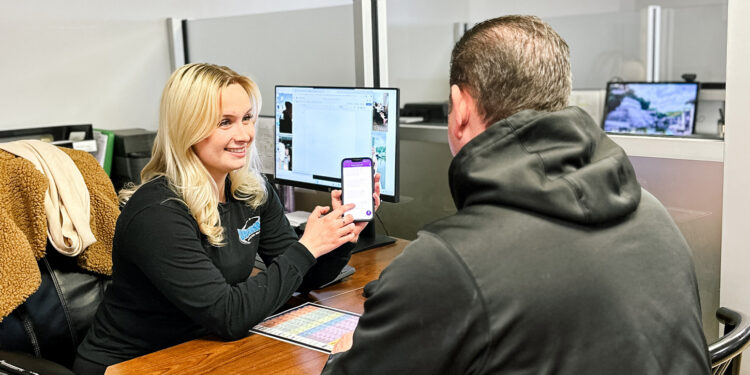
For Brent Frueh, the general manager of Rochester Athletic Club (RAC), connected fitness starts with simplifying the member experience.
“People are living in a world where you can shop and pull out your phone, click a button and it’s delivered to your house,” said Frueh. “We’re kind of trying to mimic that in the fitness space as much as we can.”
That focus has become central to how clubs think about connected fitness. Members expect frictionless digital experiences like those they encounter in retail, entertainment and banking. For operators, that means removing barriers wherever possible such as equipment onboarding and program registration.
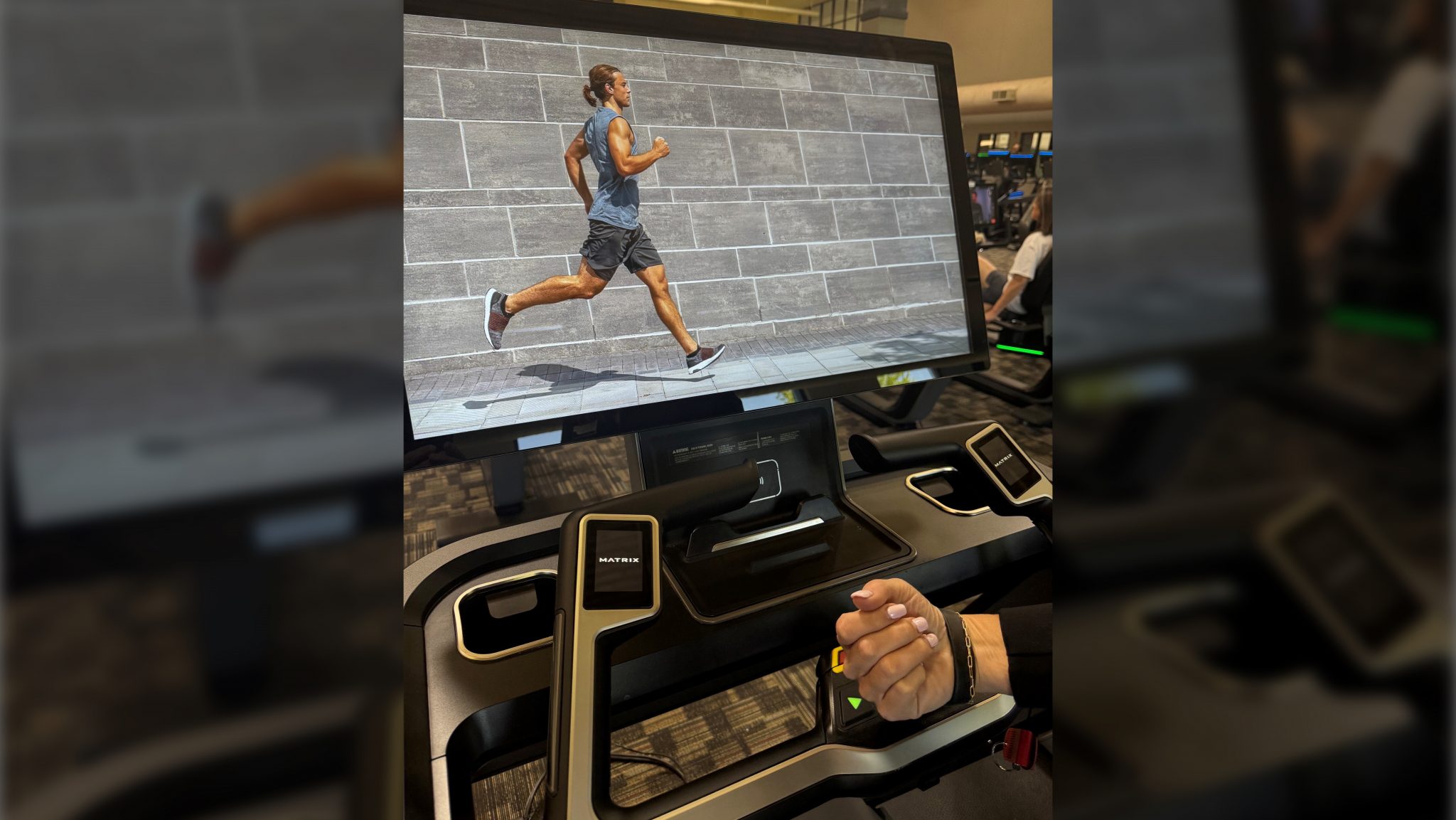
At RAC, every member receives an RFID band that connects them to cardio equipment, EGYM onboarding and locker access, while apps tie together workout data, challenges and personalized settings. Frueh said the connectivity allows the club to place itself “in the member’s pocket,” giving members constant access to the club experience beyond their physical visit.

The data generated through those interactions also provides operators with a clearer picture of member behavior. Usage patterns, equipment preferences and onboarding progress all help shape operational decisions and member outreach strategies.
Still, Frueh noted the technology itself is only part of it. Gamification aspects of RAC’s app like rewards systems for when members complete different achievements create a sense of fulfillment that keeps them using the app and coming back to the club.
“The badges matter to people,” said Frueh. “Even though it’s not a real prize, it’s a motivating factor that I don’t want to lose my gold status. I don’t want to drop to silver. I want to be platinum.”
Those small engagement tools can have a larger impact on retention because they create ongoing touchpoints with members outside of a traditional workout session. They also help reinforce consistency and accountability, particularly for newer members still building habits.
At Universal Athletic Club (UAC), executive director Sheldon McBee views connected fitness through a similarly member-centric lens, but with a broader emphasis on meeting members where they already are technologically. Rather than forcing members into one proprietary ecosystem, the club focuses on integrating the wearable devices and apps members already use in daily life.
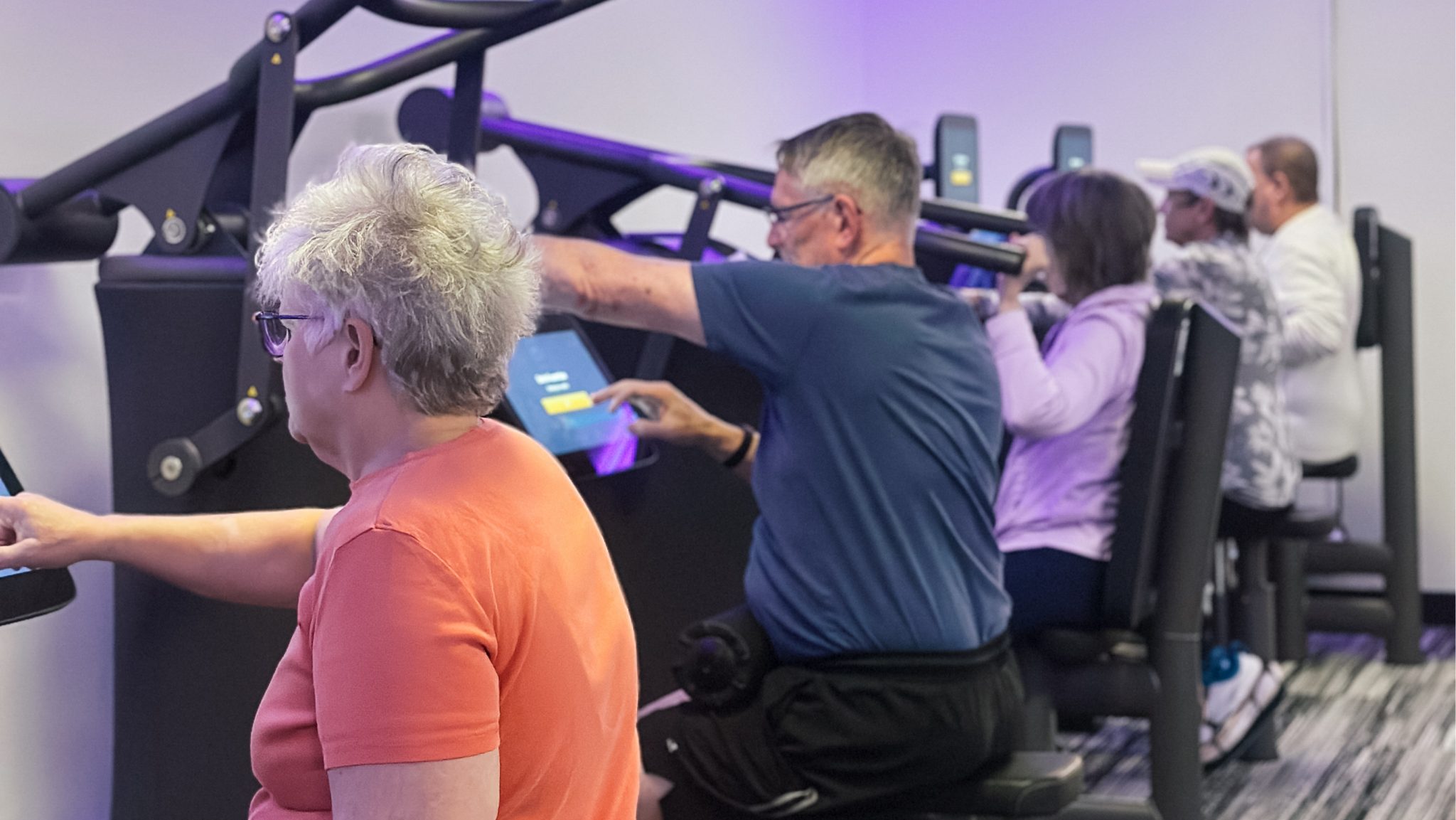
“It’s reducing the friction between just having more personal touch points more often,” said McBee. “We just feel like that changes the game for engagement.”
That outlook has influenced everything from onboarding to their retention strategy. UAC uses technology platforms capable of integrating multiple wearables — including Apple Watch, Whoop and Oura — into one system so members can continue using familiar devices while still connecting with the club experience. The result, according to McBee, is a more frictionless transition into club membership.
That same approach extends into staffing and operations. While technology can initially create learning curves for employees, both operators emphasized the importance of using connected systems to free staff from administrative tasks so they can spend more time building relationships.
“The goal was to be able to create systems that made personalizing your follow-ups and personalization of programming easier,” said McBee. “So, they could focus more on human-to-human interactions.”
At RAC, connected fitness has also created new opportunities for trainer engagement. Every new member receives a complimentary onboarding session with a trainer allowing the club to immediately establish personal relationships while introducing members to the technology.
The data generated through connected systems is also becoming valuable for operational strategy. Clubs can now track member activity trends, identify disengaged users earlier and create more targeted communication strategies.
“Data is king, queen, however you want to look at it,” said McBee. “If you don’t have the data to drive staff behaviors, you’re stuck guessing on how to actually reach out and say anything.”
UAC uses CRM-driven outreach tied to member activity, wearable data and engagement patterns to send more personalized communications. The club is also exploring AI-supported systems that can automate nudges, reminders and referrals based on member behavior.
However, both leaders stressed that connected fitness initiatives should be approached strategically rather than all at once. Large-scale software shifts, hardware investments and app integrations can become overwhelming if clubs try to do too much quickly.
“Start with the simplest way to execute the idea,” said McBee. “Don’t go any further than that before you run big with it.”
Ultimately, both operators see connected fitness less as a technology trend and more as an evolution in how clubs build relationships with members. When done effectively, connected fitness creates continuity between in-club activity, at-home habits and long-term wellness behaviors. It also gives operators clearer visibility into what members actually value and how they engage with the business over time.
The technology itself may continue to change, but the broader goal of making the fitness experience easier, more personalized and more connected to members’ lives will always remain the same.