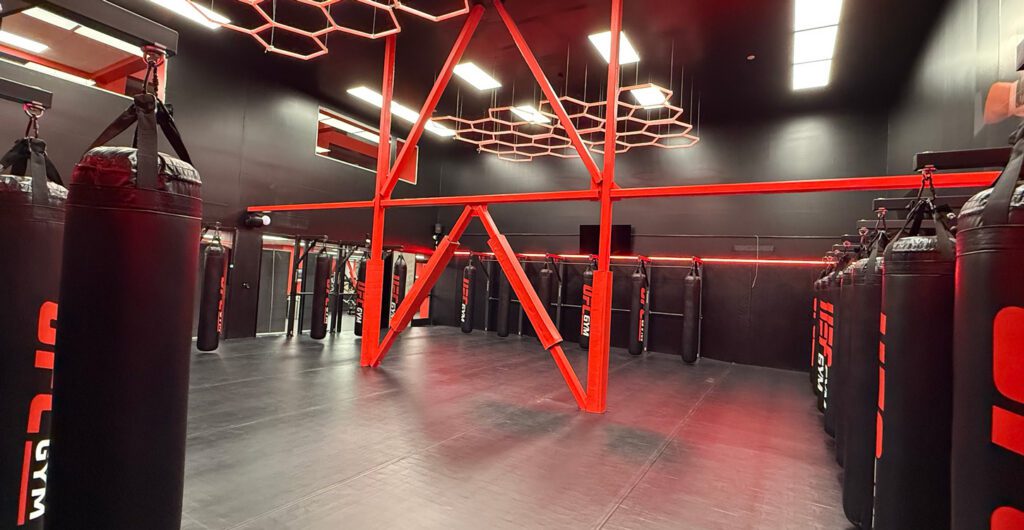
UFC GYM was founded in 2009 as the first major brand extension of premium global sports brand and premier MMA organization, UFC. Since then, the brand has grown to 175 clubs and is being developed across 22 states and 48 countries.
Adam Sedlack, the CEO of UFC GYM, said the single biggest unlock of their growth has been the universal language of UFC. He explained that combat sports speak across cultures in a way few brands ever experience — a heavy bag and a pair of gloves communicate the same way in Bangkok, Sydney, Berlin and Mexico City as they do in Los Angeles.
“That gave us a built-in passport,” said Sedlack.
With the growth UFC GYM has experienced, choosing where to go next is critical. Sedlack said they look for three of the convergence signals to know if a market is ready for them to enter:
- A growing market with disposable income.
- A cultural affinity for MMA/combat sports or functional fitness.
- And the right local partner who shares the brand’s standards and ambition.
“We’ve passed on markets that looked great on paper because the franchisee fit wasn’t there, and we’ve moved fast in markets where the consumer demand and partner caliber lined up,” explained Sedlack. “Beyond the macro indicators, we ask whether a market has a pipeline of people, accessible real estate at the right economics and an environment that lets us deliver our full programming. If those check out, we like our chances of success.”
Like any successful franchise, in order to be successful, it’s paramount to have an engaged franchise partner as they can make such a huge difference in operating execution.

Sedlack explained that India, Spain and Egypt have great densities, but why those markets are expanding so aggressively is due to the culture building of their market partners. He explained that finding the right people in the right roles is key to drive aligned success.
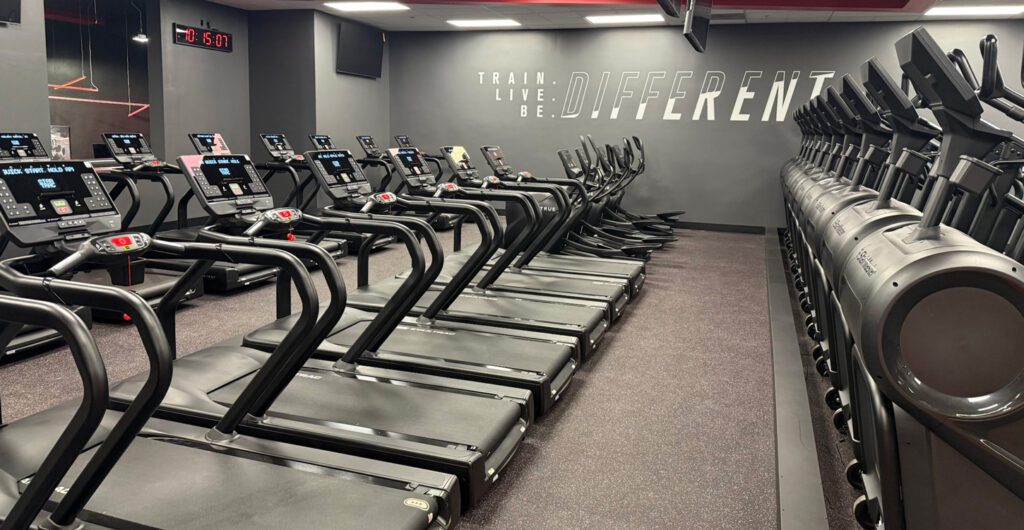
“The real unlock, though, has been pairing that brand power with a disciplined operating playbook and partnering with best-in-class local franchisees who could translate ‘Train Different’ into their market without diluting it,” explained Sedlack. “We build a clear product, innovative facilities, train operators relentlessly and let the brand do the rest of the heavy lifting. The amplifier is that UFC GYM builds industry leading workout floors to allow for a wider funnel of acquisition that can support the pathway to the premium position.”
But a brand playbook and world-class facilities only take you so far. The final piece — and perhaps the most durable competitive advantage — comes down to people. Sedlack was quick to point out that the operators executing that playbook aren’t just fitness professionals; they’re a reflection of the brand itself.
“Culture isn’t a poster, it’s a hiring decision,” said Sedlack. “We hire athletes, not necessarily UFC competitors, but people who carry an athlete’s mindset: discipline, accountability, coachability and hunger. We invest in career pathways so a front-desk teammate can see a clear road to coach, manager, GM and franchisee. And we have people who have walked that road.”
To keep the brand a success, the UFC GYM leadership over-communicates the why behind every decision, especially the hard ones, and have an expectation of their leaders to be the hardest workers in the room. For Sedlack, “Empowering the Fighting Spirit” is not just their mission statement, it’s their obligation on how they can impact lives around the world.
“Culture is what your team does when no one is watching, and ours holds up,” noted Sedlack.
That same discipline shapes how UFC GYM approaches one of franchising’s most delicate challenges: balancing global brand consistency with local market customization. There are non-negotiables and there are flexibilities — knowing the difference is everything.
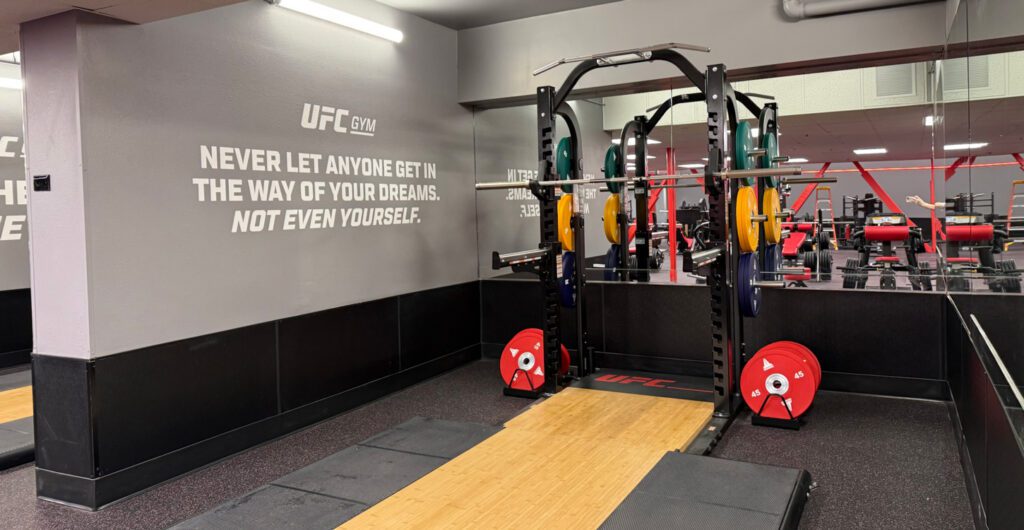
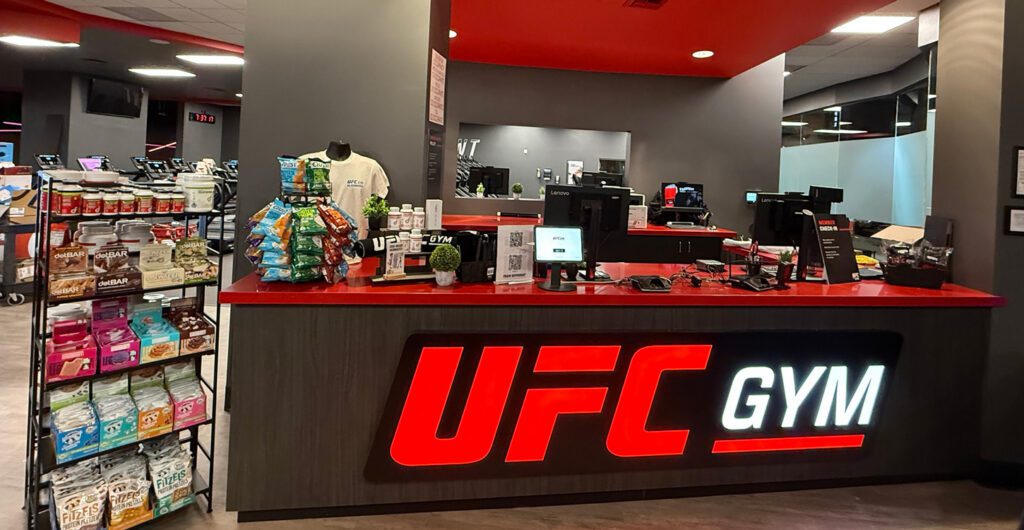
“The training methodology, the coaching standards, the equipment quality, gym floors the cleanliness, the energy in the gym, etc. those are non-negotiable, full stop,” said Sedlack. “A UFC GYM member in Sydney should feel the same DNA as one in San Diego. What we flex on is the cultural texture: language, music, retail mix, even the food and beverage. We localize the experience layer, never the performance layer. Get that wrong in either direction and you either feel like a hollow imitation in one market or a foreign object in another.”
Additionally, Sedlack explained the biggest mistakes founders make when expanding globally aren’t about strategy — they’re about ego. They copy their home model and expect foreign consumers to adjust. They pick partners with deep pockets instead of deep expertise. They plant a flag on a map and skip the unglamorous homework: rent ratios, labor costs, what people will actually pay, etc. And then they hold all the decision-making at headquarters, leaving local teams too slow to compete with operators who actually know the ground. Money opens doors, but it cannot save operations if leaders haven’t done the work.
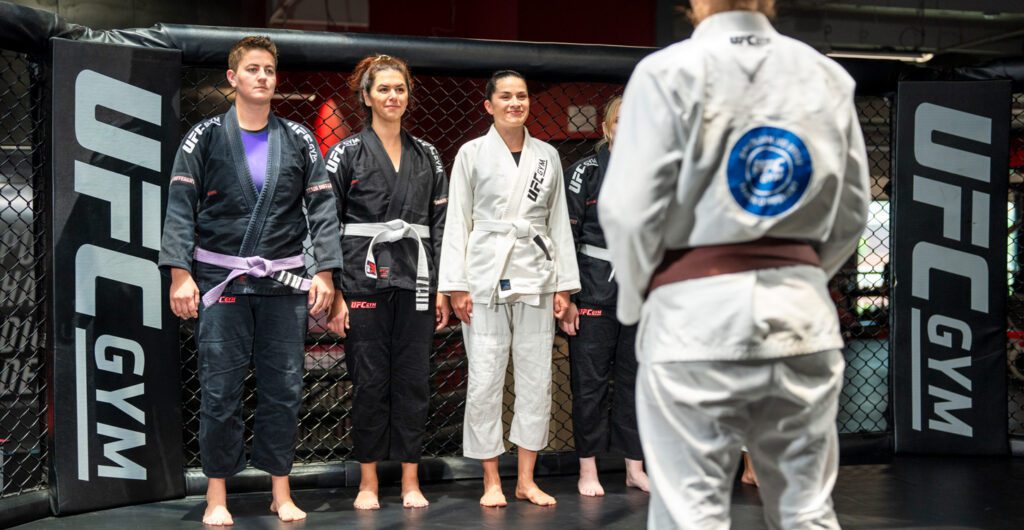
“As it relates to India, we expected a long ramp because combat sports were not historically mainstream there, but the appetite for premium, mission-driven fitness — particularly among young professionals — has exceeded every projection we modeled,” explained Sedlack. “Women in particular have embraced our operating system as we’re learning that they also want to kick a little ass. It’s a reminder that you can’t always read a market through a Western lens. Sometimes the assumption that there’s ‘no demand’ really means no one has shown up yet with the right product.”
Showing up with the right product is a mindset that carries directly into how UFC GYM is innovating.
Sedlack said they are exploring AI-assisted tools to sharpen communication and reduce overhead, wearable integration to close the loop between training and real biometric outcomes — giving members proof that the work is translating. Youth programming, which Sedlack calls the most underbuilt opportunity in the entire industry, is getting serious investment. And hybrid content — on-demand and live-streamed — is extending the coaching model beyond the physical location and into members’ lives wherever they are.
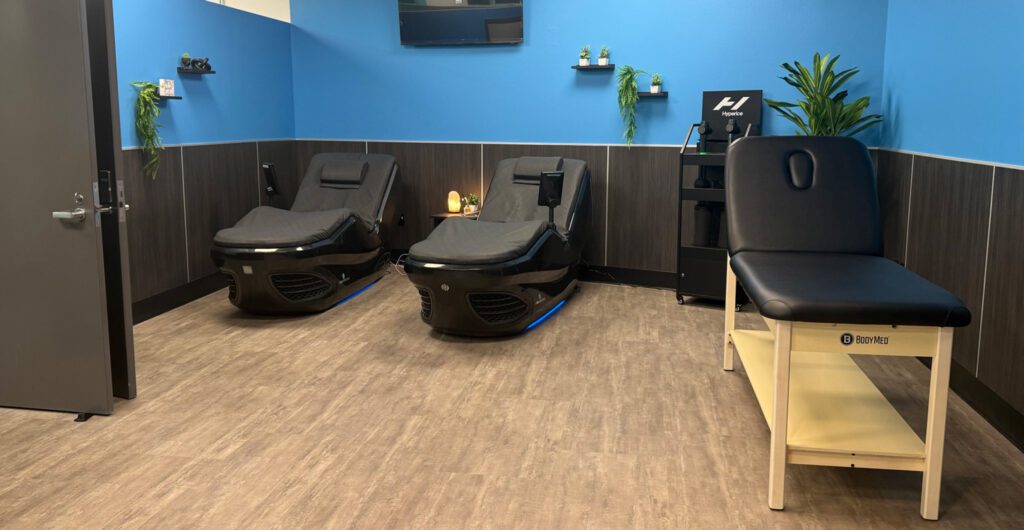
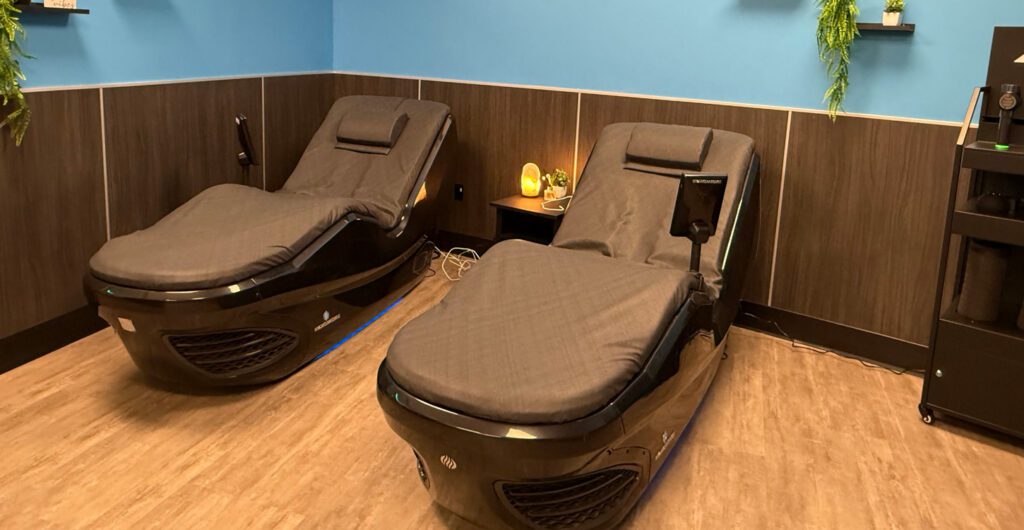
Sedlack also noted recovery centers and IV clinics represent one of the clearest growth opportunities in the market right now, which is why the brand has licensed PWR, a performance wellness clinic. PWR offers IVs, peptides, cosmetic treatments, TRT, blood testing and more. The brand is licensed in all 50 states with clinics being built in Corona, Torrance and Hawaii with many more to follow. Members will also be able to order online.
“What excited me most about the future of the industry is the convergence of performance, recovery, mental wellness and great workout floors into a single integrated model,” said Sedlack. “For decades the industry treated those as separate categories — gyms, spas and therapy. The next era of fitness is going to bring them together, and the brands that do it well are going to redefine what membership even means.”
Long-term, Sedlack and the leadership team at UFC GYM see the brand as a 1,000-club global platform with a digital footprint that reaches many multiples of that. Currently opening at one gym per week. He emphasized they want to be the brand that defines functional, combat-inspired training for the next generation in every major market on earth.
“We believe we sit in a very unique position where our operating system allows for us to enhance the body while improving the mind,” noted Sedlack. “With our Jiu Jitsu format that can be developed in low-density markets to our signature offering that can enroll 10,000 members, we’re positioned for massive growth.”
And that massive growth is already in motion:
- UFC GYM recently signed France who will build over 50 gyms.
- Spain recently opened 6 UFC GYM over the last 60 days.
- The Morocco market was also recently signed, building over 15 gyms.
- And 60 new gyms are planned to open in 2026 alone.
- The first UFC GYM Jiu Jitsu studio is opening in Manhattan.
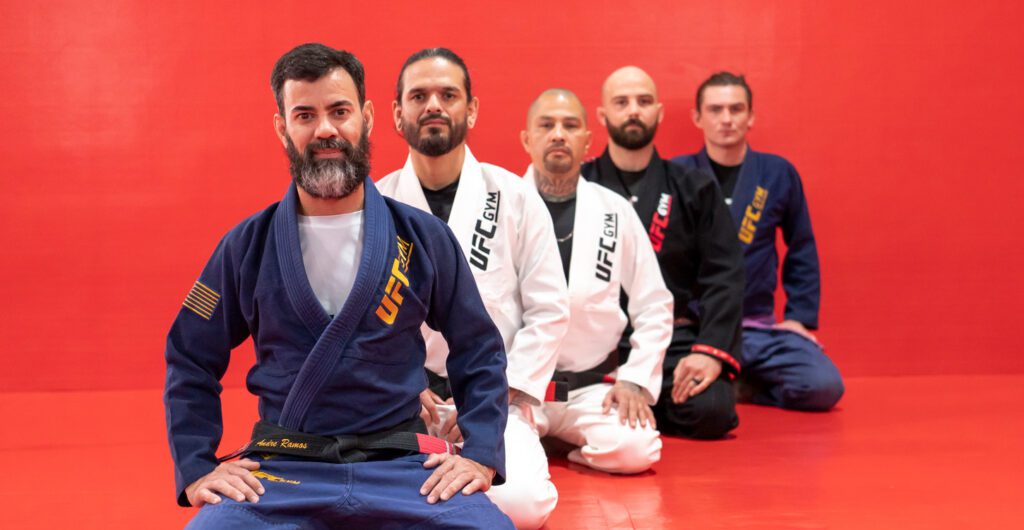
The momentum behind the Jiu Jitsu concept is already significant. The new model debuted in 2025 and combines the art of Brazilian Jiu-Jitsu with MMA programming from the biggest name in sports. Twenty units have already been sold and are under development, with entry points available for under $200,000 — making it one of the most accessible franchise opportunities in the fitness industry according to Sedlack. Studios can also be co-branded with local black belts, creating built-in community credibility and authenticity in each market.
But for Sedlack personally, scale isn’t the only goal, it is also impact.
“If we get to 1,000 clubs without changing lives, we’ve failed,” said Sedlack. “Our growth roadmap is paced to operational excellence, partner quality and member outcomes, and how we impact lives, not just unit count.”