BODYBAR Pilates started in Dallas in 2012. Kamille McCollum had a friend who was an instructor and urged her to try a class. McCollum instantly fell in love with it. Fast forward about a year and that same friend told her they were interested in franchising BODYBAR and wanted to know if McCollum and her husband would be interested in opening a location in Fort Worth, Texas.
At the time, McCollum was looking for an opportunity in the health and wellness industry where she could combine her passion with business ownership. The couple opened their Fort Worth BODYBAR studio in 2016, where McCollum immersed herself in daily operations as both an instructor and owner.
As they grew the location, the team began developing systems for marketing, sales and studio operations that didn’t previously exist. Those grassroots processes would later become the foundation for BODYBAR’s broader franchise growth and operational model.
McCollum explained, a franchise system should support franchisees on every access of the business. As McCollum and her husband opened and began thinking about expansion. They began finding preferred vendor networks, sales and marketing agencies in order to grow the BODYBAR Network and provide support.
Today, McCollum serves as the chief brand officer, president and co-founder of BODYBAR Pilates and has helped build those missing supports into its franchise model.
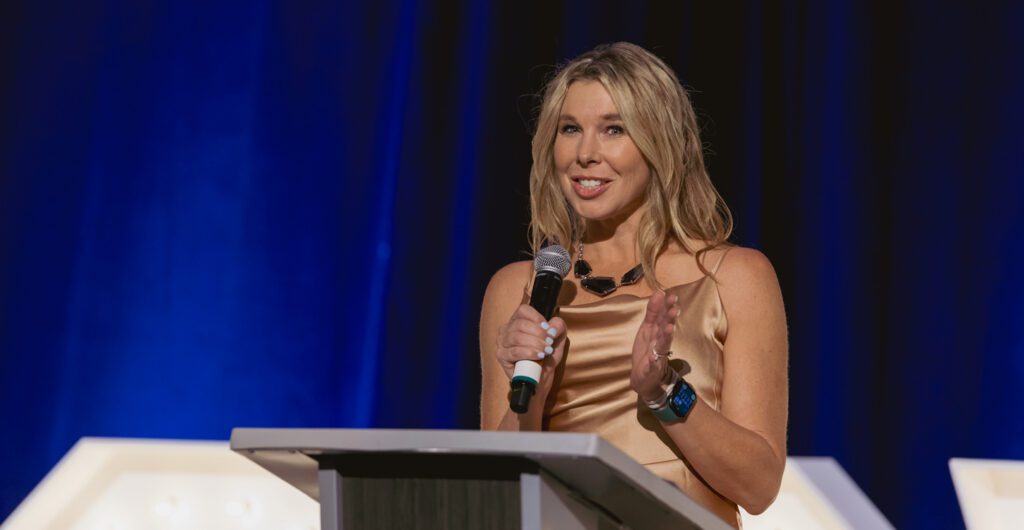
“My husband and I are the managing partners of BODYBAR franchising, and we did a year of research going to conferences, trying to figure out, how can we build a strong franchisor system? How do we want to scale this? What are the best vendors to have to support our franchisees,” explained McCollum. “We met other people in the industry who had really done a good job. We met people from Orangetheory and Club Pilates who had worked within boutique fitness before and scaled them. We were able to learn from what mistakes they made, opportunities they had and then also things they did well. We started franchising in 2019.”
The company now provides marketing assets, email and social media templates, plus access to vetted agency partners whose performance is regularly monitored. It also has strengthened instructor development through in-house master trainers who can travel to new locations and maintain teaching quality.
Most importantly, BODYBAR has created detailed playbooks for nearly every stage of ownership — from pre-sale and grand opening to managing seasonal slowdowns — giving franchisees proven systems to follow instead of reinventing the wheel.
“The biggest thing for me is I want to have the best customer service to our franchisees because that’s what I expect in our BODYBAR locations,” said McCollum. “You should receive the best customer service whenever you walk in the door of a BODYBAR Pilates studio. Pilates can be really intimidating to a lot of people, so you want to break down those walls and make sure people feel invited and welcome. At HQ, we have a really good team of people that really care about our franchise owners and really want to support them and try to make them as successful as possible.”
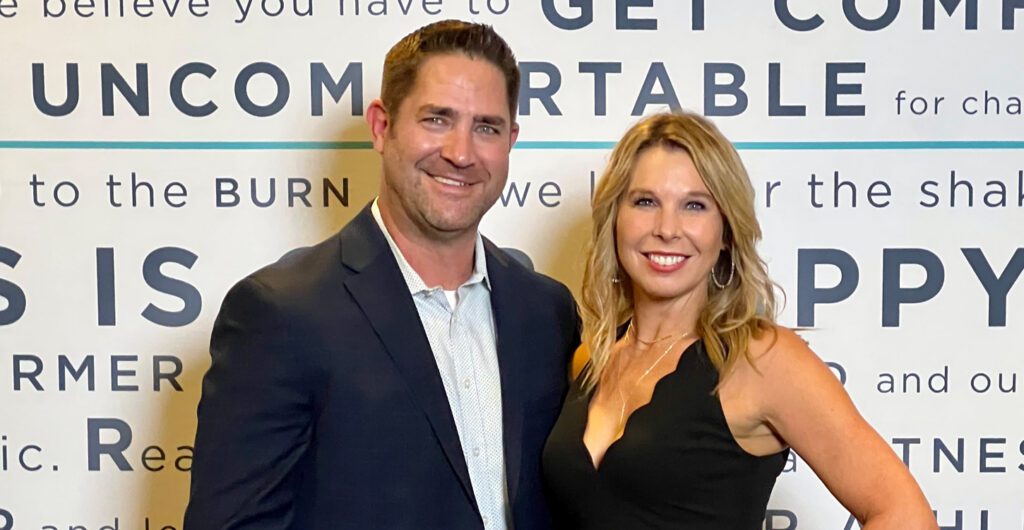
And the opportunity for BODYBAR franchisees to thrive has blown open.
Rise in consumer awareness of health and well-being — especially since the COVID-19 pandemic — has led to an increase in demand for Pilates and mind-body facilities in recent years. With a projected CAGR of 14.3% from 2025 to 2035, according to Allied Market Research, the market is expected to reach $520,615.2 million by the end of 2035.
According to McCollum, today’s consumers increasingly fall into two camps: those who want low-cost, big-box gyms with many options or those who want a specialized premium experience. She believes boutique brands will win by staying focused and delivering expertise rather than trying to do everything.
For BODYBAR, that means owning the reformer Pilates category, continually improving class quality and creating a clear, valuable member experience. She also noted that post-pandemic consumers are more focused on health and wellness than phyisically looking a specific way, making Pilates especially appealing because of its emphasis on movement, longevity and quality of life.
“People want to be healthy,” emphasized McCollum. “I think the Pilates space is really good for that since it’s all about quality of life. Whenever you’re constantly doing Pilates, movement is life and it will help you age more gracefully.”
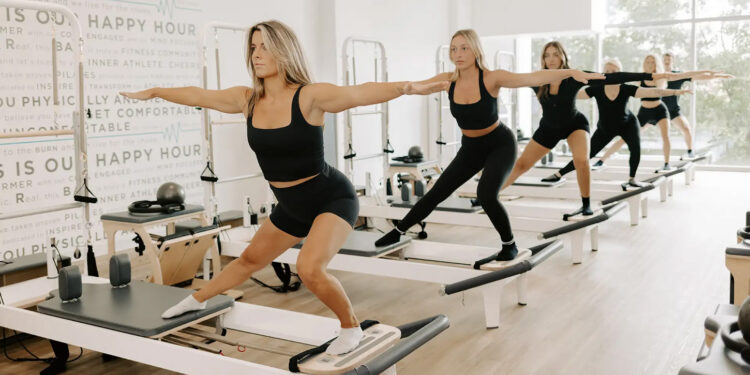
BODYBAR is focused on making Pilates more approachable for first-time users and reducing intimidation around the format. The company offers a variety of class formats, including slower-paced sessions designed to emphasize form and technique, giving beginners an accessible entry point while still delivering an effective workout.
The brand also recently launched national marketing campaigns centered on inclusivity and welcoming environments. By featuring real members, instructors and staff from diverse demographics, BODYBAR aims to help prospective clients see themselves reflected in the brand and feel more comfortable trying a class.
Additionally, BODYBAR encourages studios to connect with new prospects by phone before their first visit. These conversations help address concerns, understand experience levels and create familiarity before someone walks through the door, strengthening the overall member experience from the start.
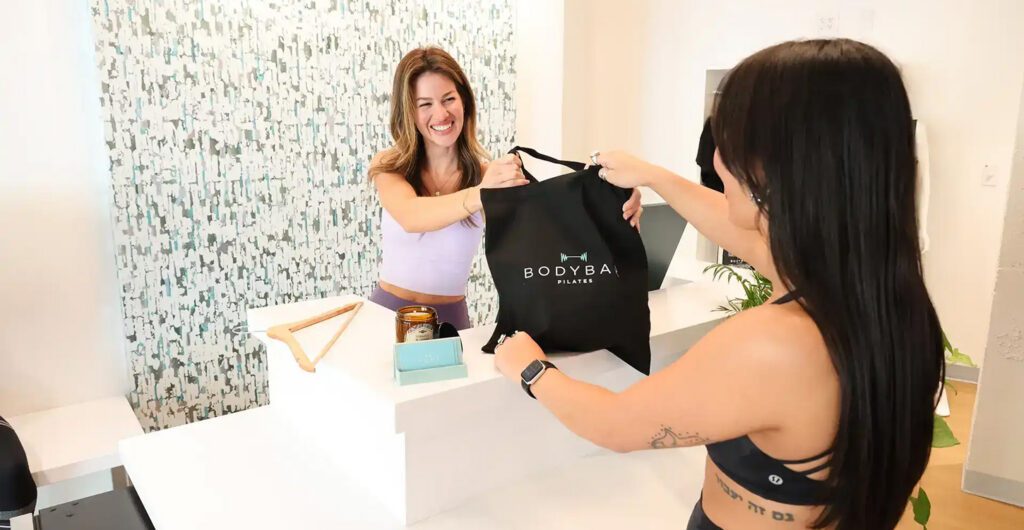
Beyond the studio floor, BODYBAR is exploring partnerships and innovations that expand its value proposition beyond Pilates classes. On the retail side, BODYBAR is enhancing its in-studio boutique offerings through partnerships like its branded collaboration with activewear company Tavi, giving members access to premium workout apparel aligned with the brand.
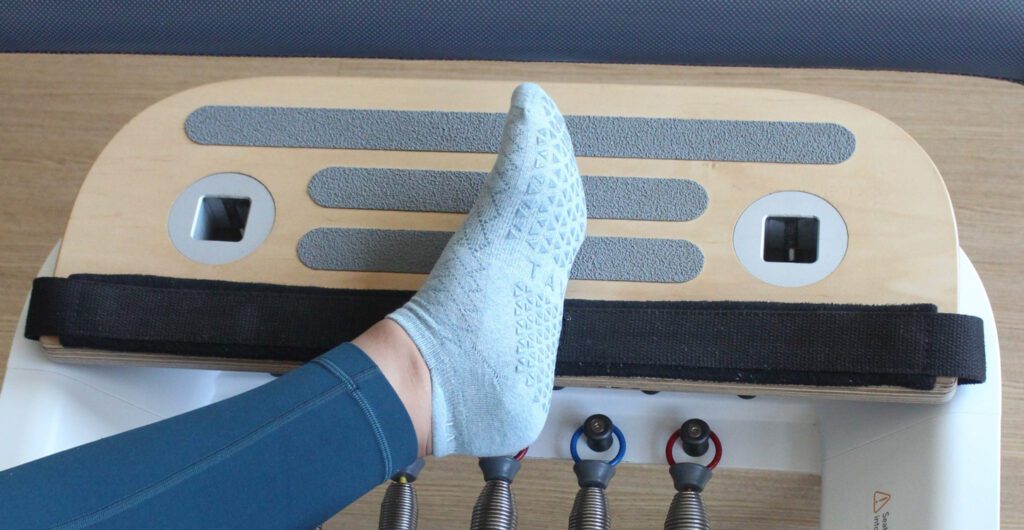
Looking ahead, BODYBAR has set its sights on significant expansion across both major and smaller U.S. markets, with ambitions to rapidly scale its footprint before pursuing international growth.
“We would love to have BODYBAR all across the United States, be in every major city and some of the smaller cities too,” said McCollum. “Our goal is to double in size this year and then after that double again. That is where our eyes are set, but once we have more of our locations open in the United States, of course we’ll start to look at international from there.”
As boutique fitness continues to evolve, many operators are asking the same questions: How do you scale without losing culture? How do you maintain consistency across markets? And how do you grow in a crowded landscape where consumers have more options than ever?
For BODYBAR Pilates, the answer appears to be a mix of disciplined franchising, operational systems and clear brand positioning.
McCollum said one of the company’s largest priorities is ensuring the right people enter the system from the start. Prospective franchisees go through multiple conversations with the leadership team, and when they visit Texas, ownership makes time to personally get to know them. “Myself, my husband and our COO take them to dinner,” she said. “We’re really trying to get to know them to make sure they have the same kind of values as we do.”
That focus reflects a growing reality in fitness franchising: expansion alone is no longer enough. Operators increasingly recognize poor franchisee selection can create long-term brand inconsistency, operational issues and culture drift.
BODYBAR’s approach to consistency extends beyond franchise recruitment.
McCollum said owners and studio managers travel to Texas for training, where the company emphasizes not only operations but also the values behind the brand. “When you are opening a BODYBAR, you come to Texas for your studio manager training and we train your managers along with the owner, and that’s where we really dive into our culture and who we are,” she explained.
That culture is woven into multiple areas of the business, from marketing and sales to instructor development and member onboarding.
“We’re big on community and we’re big on being inclusive,” said McCollum. “Even in our instructor training, we like to show new instructors how to connect with that first timer? How do you connect them with another member?”
For multi-unit operators, it’s a reminder that culture does not scale through slogans alone. It scales when values are embedded into repeatable systems.
As BODYBAR continues its franchise expansion, McCollum’s long-term ambition goes beyond opening more locations.
“One of my things I always say is I would love for it one day to be not that ‘I missed my Pilates class,’ but ‘I missed my BODYBAR class,’” she said. “I just want to Google it and BODYBAR replaces Pilates — that’s it’s a household name.”
For those watching the boutique fitness space, that may be the clearest signal of all. The next generation of winners may not simply offer workouts. They will build brands consumers ask for by name.