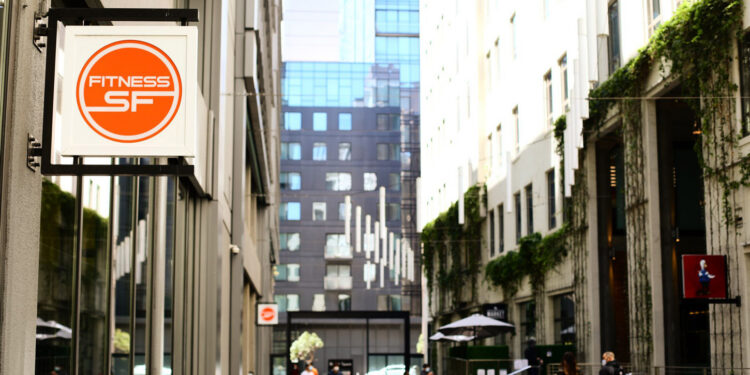
FITNESS SF’s journey began with a shared passion between two brothers, Zsolt and Sebastyen Jackovics. The company started in 1989, franchising Gold’s Gym Honolulu, but transitioned into the FITNESS SF brand in 2012.
What began as a personal commitment to health and wellness has grown into a collective of vibrant locations across the Bay Area. That inspiration has guided the brand to prioritize well-being not just for members, but for employees as well.
When FITNESS SF started, the mission was straightforward: to be the leading fitness provider in the Bay Area, supporting the community’s health and wellness. Over time, the company realized its true purpose ran deeper. In 2023, they introduced a new mission statement: Creating Opportunities, Realizing Potential.
“That’s been our North Star — creating opportunities not just for members but also for staff, partners and investors, so everyone has the chance to realize their potential in whatever way matters most to them, whether that’s physically, mentally, professionally or personally,” said Troy Macfarland, the director of marketing for FITNESS SF. “When FITNESS SF launched in 2012, we had four locations. By the time we opened our sixth, in Twitter’s former HQ, it showed us what was possible. That moment pushed us to elevate our vision — to level up our product, our member experience and the impact we have on the communities we serve.”
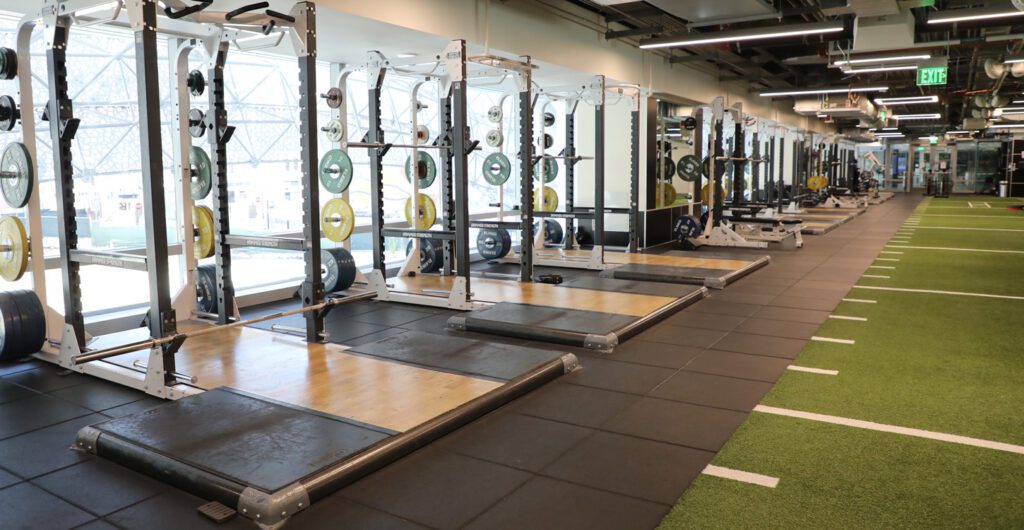
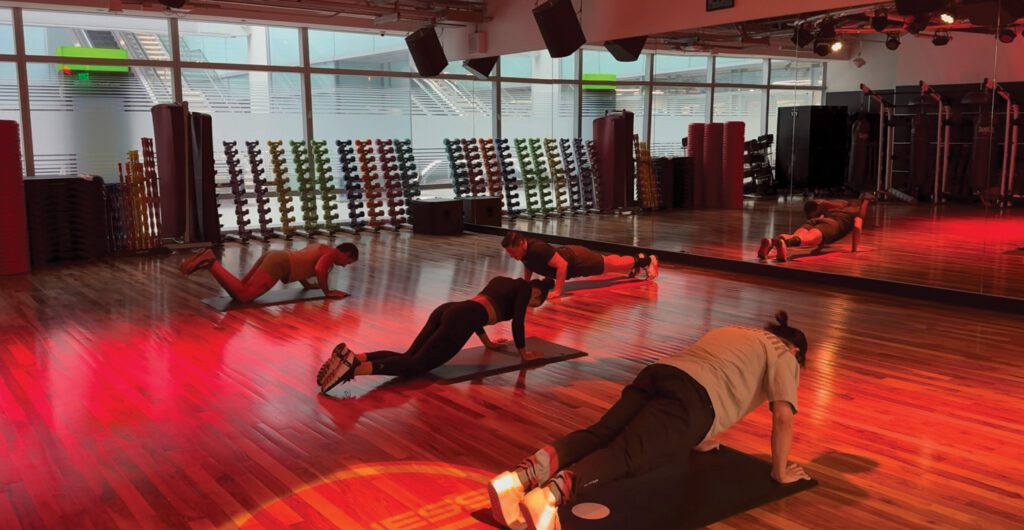
Today FITNESS SF has eight locations in California — with a ninth opening in 2026 — employing 330 people and serving over 34,000 members. To support its vision, the company is exploring innovations in technology, programming and partnerships to better engage members and help them reach their goals. A major focus right now is incorporating AI into their overall strategy, making it easier for members to interact with the club on their terms.
“People want to get information, book, pay and learn in different ways, so we’re rebuilding our custom member app with DXFactor to be AI- and personalization-first,” explained Macfarland. “The vision is simple: you should be able to ask an AI agent to cancel, upgrade or book without having to dig through menus or ask staff.”
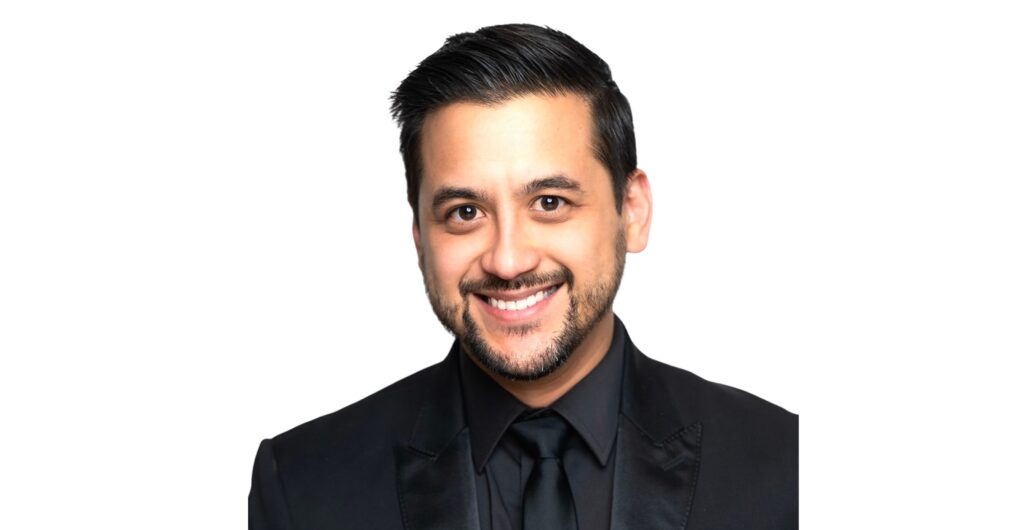
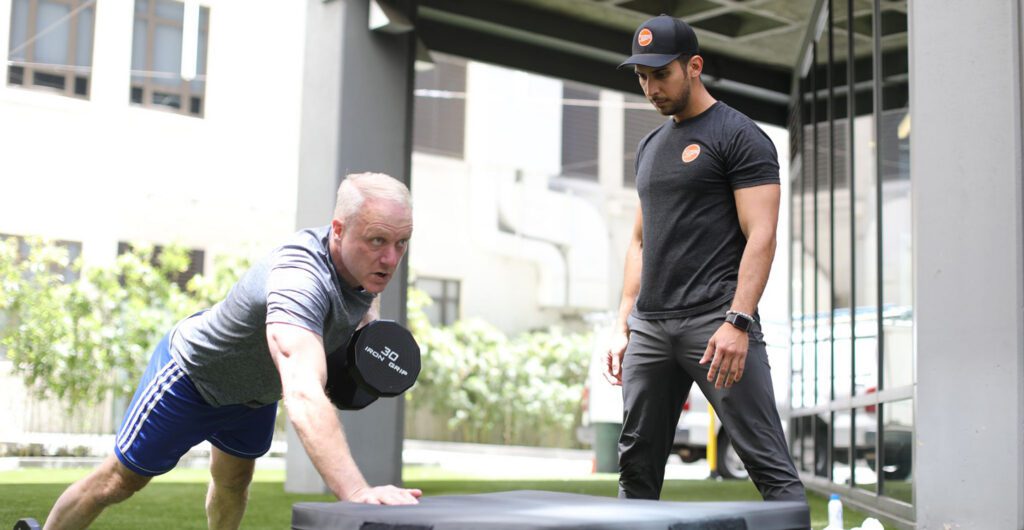
This commitment to personalization extends beyond technology. On the education side, FITNESS SF is deepening its partnership with the Institute of Motion, an applied health and human performance company, to help trainers better serve members. They’re also expanding nutrition support through EatLove, giving members a practical way to manage one of the hardest things outside the gym — food tracking.
Next, the team is implementing EGYM to deliver tailored workouts based on individual goals and preferences, along with MaintainX, a maintenance platform that allows facility managers to track equipment downtime and inventory in real time. Together, these initiatives reflect a holistic approach — one that connects technology, education, and operational excellence to create a more personalized, seamless and supportive member experience.
Just as FITNESS SF strives to elevate the member experience, they’re equally focused on ensuring their growth reflects that same purpose and care.
The company’s long-term growth isn’t about rushing to take market share, but rather growing intentionally when the right opportunities align with their vision.
Macfarland explained they only expand when they know it will add value to the community and when existing locations are strong enough to support it. “For example, we’re opening our ninth location — our biggest yet at 45,000 square feet — and we wouldn’t be taking that step if our current clubs weren’t profitable and thriving. For us, growth means sustainable expansion at the right time, in the right places, with the right fit.”
That deliberate approach to growth extends far beyond expansion plans. It’s reflected in the way the team approaches budgeting, maintenance and overall operations. Macfarland explained they are always prioritizing consistency and member satisfaction over flashy spending or risky pivots.
FITNESS SF doesn’t operate with large, fluctuating budgets. Instead, they focus on consistency in both the brand and product.
“Our approach during uncertain times is to stay steady in the areas that matter most, like delivering a high-quality member experience and maintaining our facilities,” said Macfarland. “If something breaks, we fix it quickly. No questions asked. If adjustments are needed, we’ll reduce non-essential areas such as sponsorships or ad spend before ever cutting back on the member experience. This way, our resources are always aligned with what drives the most value for our community.”
Ensuring resources are aligned with what matters most naturally leads to measuring success in more meaningful ways by looking at engagement, referrals and the strength of community partnerships.
Macfarland explained they measure impact beyond revenue by looking at how engaged and connected members and staff are. For example, they track check-in frequency to understand how often members are making fitness part of their routine and look at buddy referrals to see how many members are inviting friends to join the community. They also measure the strength of their community partnerships, since aligning with local organizations is a big part of their identity.
“On the staff side, retention is a key metric,” said Macfarland. “Many of our team members have been with us for years, which we take pride in because it reflects a strong workplace culture. We also invest heavily in continuing education for our trainers, which supports their career growth and ensures our members get the highest-quality coaching.”
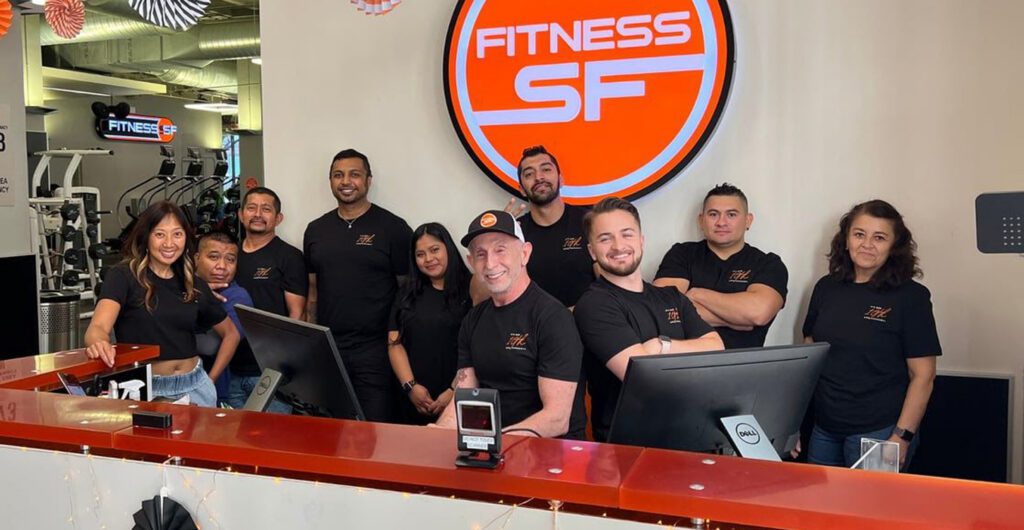
The company invests heavily in staff training and development because they believe their people are its greatest strength. Virtually, many of club managers and customer service reps started at the front desk or on the training floor and worked their way up the company. Every new team member goes through a comprehensive onboarding process that covers job-specific skills and culture, values and service standards.
“For our personal training staff, we offer ongoing education through structured workshops, paid certifications and paid study time that help staff grow both professionally,” explained Macfarland. “Our leadership team provides consistent coaching and feedback, and we encourage employees to set clear career goals so we can support them in reaching the next level — whether that’s advancing as a trainer, one day stepping into management or developing expertise in a specialty area.”
By creating a culture of continuous learning, Macfarland said they ensure every staff member has the tools, resources, and support needed to succeed and thrive at FITNESS SF. “The fitness industry embraces personal growth, so we continue this culture within our company by modeling outcomes that come from dedication to our work,” he said.
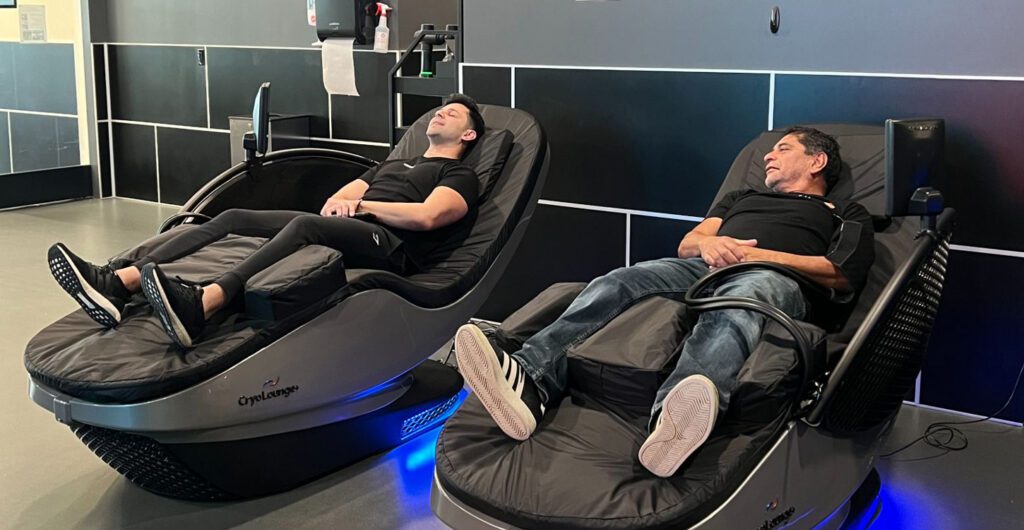
Looking to the future, Macfarland believes fitness clubs will evolve into full wellness hubs not just places to work out but spaces that integrate recovery, nutrition, mental health and even health care. FITNESS SF has always been innovative, and in its new location they’re planning to go even further by adding not just a coworking space, but also a creator space. “The future of fitness will be about community, lifestyle and personalization; meeting members’ needs far beyond the workout floor,” said Macfarland.
For FITNESS SF, that future is already taking shape. Every initiative — from investing in staff growth to building smarter, more connected clubs — circles back to the same purpose: creating opportunities and realizing potential. As the brand continues to evolve, its success will be measured not just in square footage or membership numbers but in the strength of the communities it helps build.