Fitness Ventures signed its first lease ten years ago, and when Brian Hibbard, the CEO, looks back he doesn’t remember one magic decision that drove the franchisee’s growth. It was a series of decisions made consistently over time.
“We stayed focused on one brand and one model,” said Hibbard. “We reinvested in the business instead of taking money out of it. We built infrastructure earlier than most people thought we needed it. We tried to hire ahead of growth rather than behind it. Most importantly, we became comfortable being uncomfortable. Every year we were operating a company much larger than the year before.”
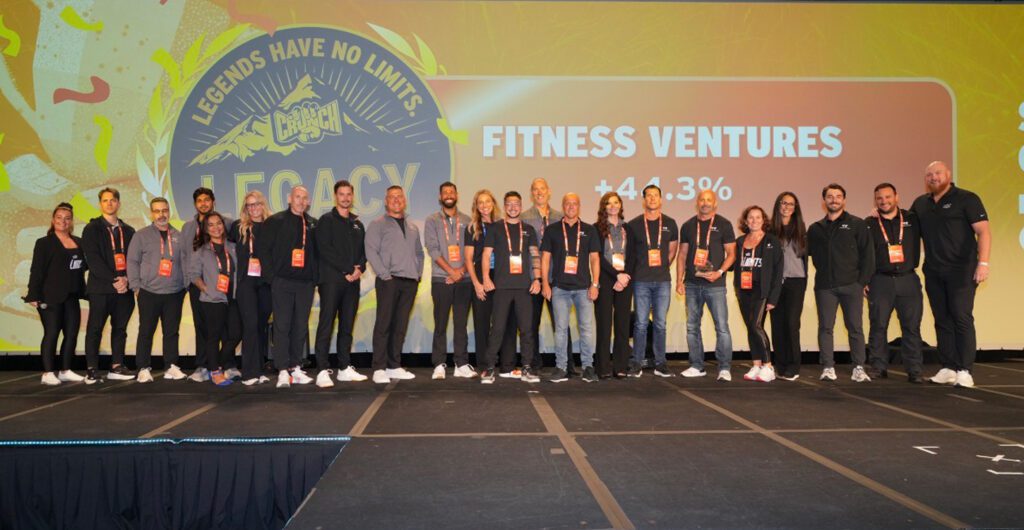
In May 2026, Fitness Ventures, LLC announced the acquisition of 22 locations from Harman Fitness, a leading Los Angeles-based Crunch Fitness franchise operator with locations across California and Texas. The acquisition established Fitness Ventures as the largest franchise operator in the Crunch Fitness system and one of the largest fitness franchise platforms in the U.S.
Fitness Ventures now operates 115 locations across 30 states and is on pace to exceed 130 locations by year-end.

“[Harman Fitness] was one of the most respected franchisees in the Crunch system, with strong operations and a culture that was very aligned with ours,” explained Hibbard.
Beyond the clubs themselves, Hibbard said the transaction represented an opportunity to establish a meaningful presence in two very large and attractive markets for them — Los Angeles and Houston. It accelerated the group’s growth strategy in markets where Hibbard and the team believe tremendous long-term opportunity remains.
More broadly, the Fitness Ventures team wants to be viewed as the partner of choice when other franchisees begin thinking about their next chapter. According to Hibbard, many great operators eventually reach a point where they want to monetize what they’ve built, transition into retirement or simply pursue something different. “We want them to know there is a buyer in the system that understands their business, values what they’ve created, and can help maximize that value while preserving the culture and taking care of their teams,” he said.
When Fitness Ventures evaluates acquisitions, Hibbard said they look at several things, including:
- Are they good clubs in markets they want to be in?
- Do they have teams and leaders who care deeply about the business and the member experience?
- And can Fitness Ventures integrate them into its systems and make them even better?
“Growth for growth’s sake has never been the objective,” said Hibbard. “We want acquisitions that strengthen the company long term and where we believe we can make a meaningful positive impact.”
One challenge that comes with acquisitions — and something a lot of operators underestimate — is how difficult integrating the teams can be. Hibbard said the reason for this is because every organization develops its own way of doing things. Processes, expectations and communication styles are different. People naturally worry about what change means for them personally. To combat this, Hibbard said his team approaches it by leading with respect.
“We don’t walk in assuming we have all the answers simply because we’re the acquirer,” emphasized Hibbard. “We spend time listening, identifying what’s working well and preserving the strengths of the existing organization. At the same time, we bring clarity around expectations and consistency around the standards that have helped us scale successfully. At the end of the day, culture isn’t a presentation or a handbook. It’s the behaviors leaders model every day. People watch what you do much more closely than they listen to what you say.”
Additionally, running 115 locations requires a deep leadership bench and having a team Hibbard can rely on. Some companies assume leadership development happens naturally, but he emphasized you must be intentional about it.
Many of the group’s best leaders started in frontline roles and simply kept raising their hand for the next challenge. Hibbard said they look for people with humility, work ethic, accountability and the ability to influence others. Technical skills can be taught, but character and attitude are much harder to teach.
“Retention also isn’t just about compensation,” added Hibbard. “People want to be part of something meaningful. They want to know there’s a path for advancement and that their contributions matter. When people can see a future with your organization, they’re much more likely to help you build it.”
Looking Ahead
Fitness Ventures was founded in 2016 with two locations, one in Athens, Georgia and one in Amarillo, Texas. What started as a proof of concept in two college towns has become the largest franchisee in the Crunch Fitness system, serving close to 1 million members and pursuing 130 locations by the end of 2026.
For operators looking to become a regional or national player, Hibbard has one piece of advice: Don’t wait until you think you’re ready.
“Most of the growth opportunities we’ve had came before we felt completely prepared for them,” said Hibbard. “If you wait until you have all the answers, you’ll miss the opportunity. Growth requires taking calculated risks and having confidence that your team can figure things out along the way.”
At the same time, Hibbard warned operator to not outgrow their infrastructure. He recommended investing in people, systems and processes earlier than feels comfortable, and to always remember the things that got you from one club to 10 won’t necessarily get you from 10 to 50 or from 50 to 100.
Additionally, he urged operators to be meticulous about site selection. The fitness industry is a capital intensive business, and especially in the beginning, mistakes can be hard to correct. He argued a poor location you will live with for 10 years, and it’s not something you can pick up and move somewhere else. Too many of those early on and your growth can end up dead in the water.
“And finally, remember that this business is still about people,” said Hibbard. “Members don’t join because of spreadsheets and teams don’t stay because of organizational charts. Take care of your people, stay focused on the member experience, and never lose the culture that helped you succeed in the first place.”