As amenities become easier to replicate, Fit is redefining community through local partnerships, member experiences and authentic relationships that create lasting value for members.
In an industry where new equipment, recovery amenities and boutique-style experiences can quickly be replicated, differentiation increasingly comes down to something less tangible: community.
For Fit, that means extending the member experience far beyond the club’s four walls.
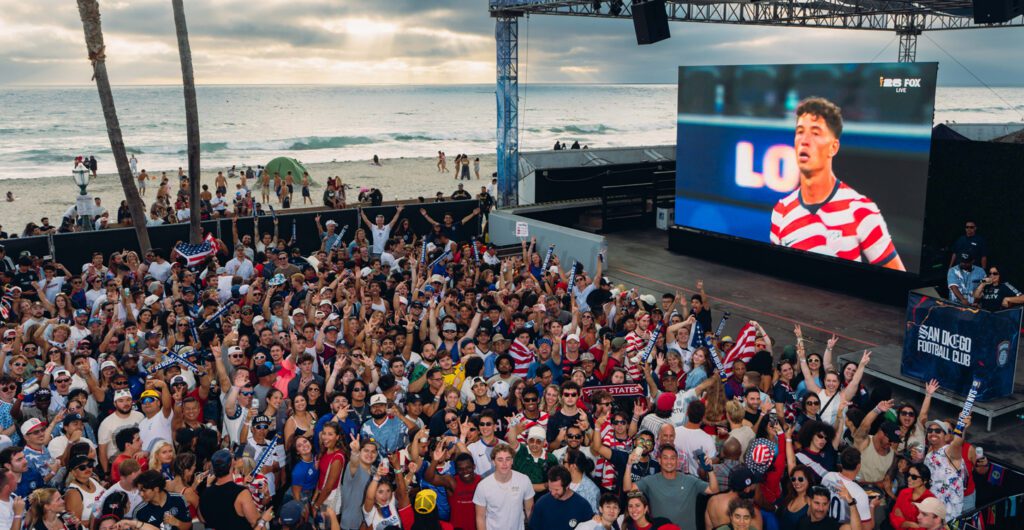
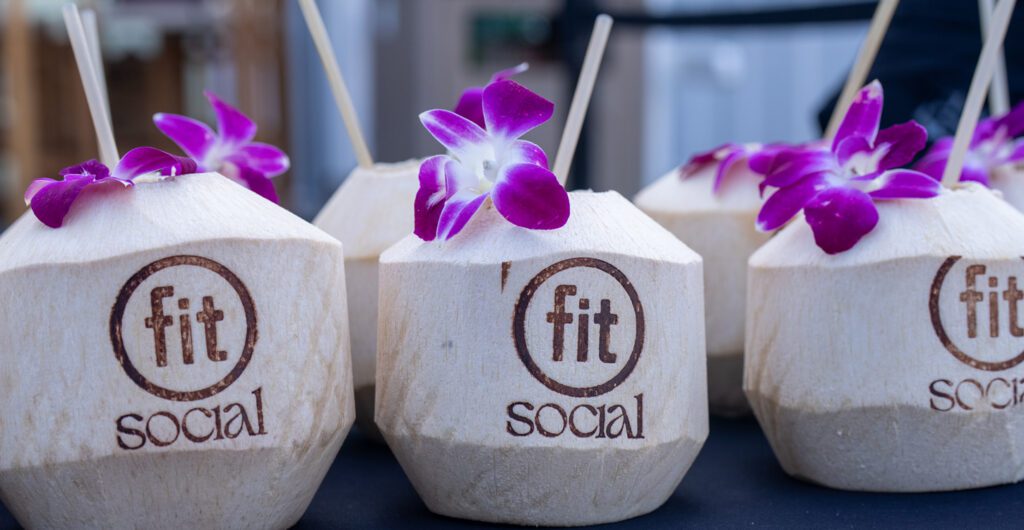
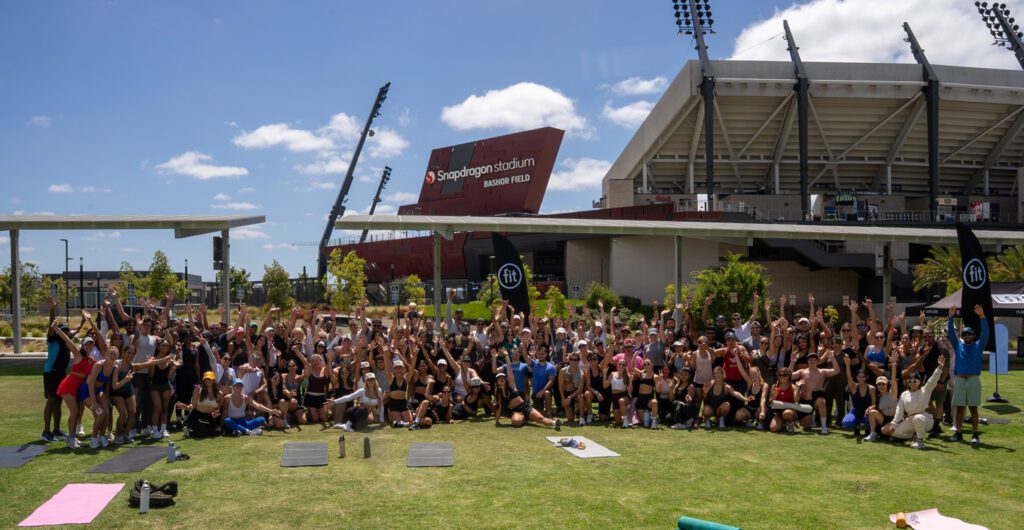
Through strategic partnerships, iconic local venues and culturally relevant events, the company is creating opportunities for members to connect beyond the fitness floor. Whether hosting large-scale fitness experiences at The Rady Shell and Snapdragon Stadium or bringing members together for World Cup watch parties at Fit Social — a reimagined oceanfront destination blending wellness-inspired dining, elevated design, and a vibrant sense of community — the brand is positioning itself as more than a gym; it’s becoming a meaningful part of members’ lifestyles.
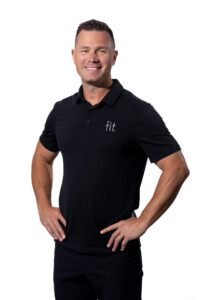
“Community has been part of Fit since the beginning,” said Chad Shaw, the COO. “This isn’t something we recently added because ‘social wellness’ became an industry trend. We were building Fit this way before there was really a category for it. We never wanted Fit to feel like a room full of equipment where people put their headphones on, get through a workout and leave. Obviously, the workout has to be excellent — that is the foundation — but we have always believed the membership should give people more than that.”
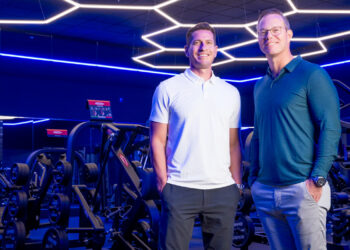
Fit members train, recover, work, have lunch, take meetings and catch up with friends all in the same place. Shaw said the brand feels closer to a modern social club built around health and self-improvement than a traditional gym. “I sometimes describe it as the country club model reimagined for a generation that cares more about wellness and personal growth than golf,” he explained.
At the end of the day, what the Fit team is trying to create is a sense that people are known at the facilities. They know the employees, recognize other members and feel proud to say they belong to Fit. “You can build another beautiful gym,” explained Shaw. “You can buy the same equipment and install the same cold plunge. It’s much harder to recreate that feeling.”
One thing Fit has learned early on is being in the same gym doesn’t automatically build community. While members may see the same familiar faces every day, busy routines and personal focus often leave little opportunity for meaningful interaction or connection.
To combat this, they bring those same members together somewhere outside their normal routine and the dynamic changes.
“Maybe they’re at a Fit event, a watch party or a concert activation,” said Shaw. “They finally walk up to the person they always see and say, ‘I feel like we’re at the gym at the same time every day.’ They discover they work in the same industry or have mutual friends. Then they come back into the gym, and they say hello the next morning. That seems like a small thing, but when it happens over and over, it changes how the whole club feels. It becomes less anonymous. People start introducing each other and building real friendships.”
That insight is one of the reasons Fit began creating so many touchpoints across San Diego. Fit Social is one part of that, but it also includes restaurants, hotels, cultural institutions, sports, concerts, festivals and large community events. The brand has taken the community that was already part of Fit and expanded it across the city.
Fit builds events around what members already care about — local culture, entertainment and community — rather than creating generic gym events. By partnering with brands that add genuine value, the company creates experiences people naturally want to attend and return to year after year.
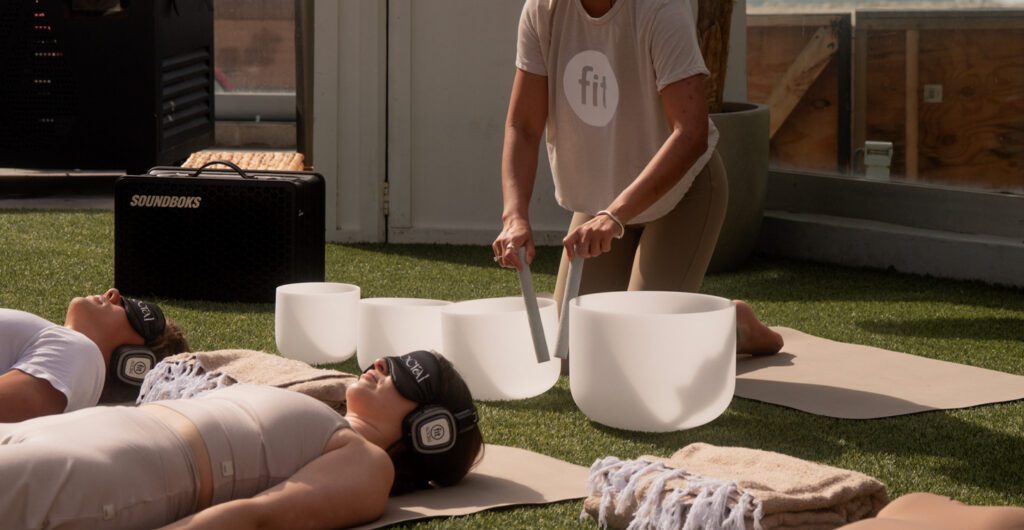
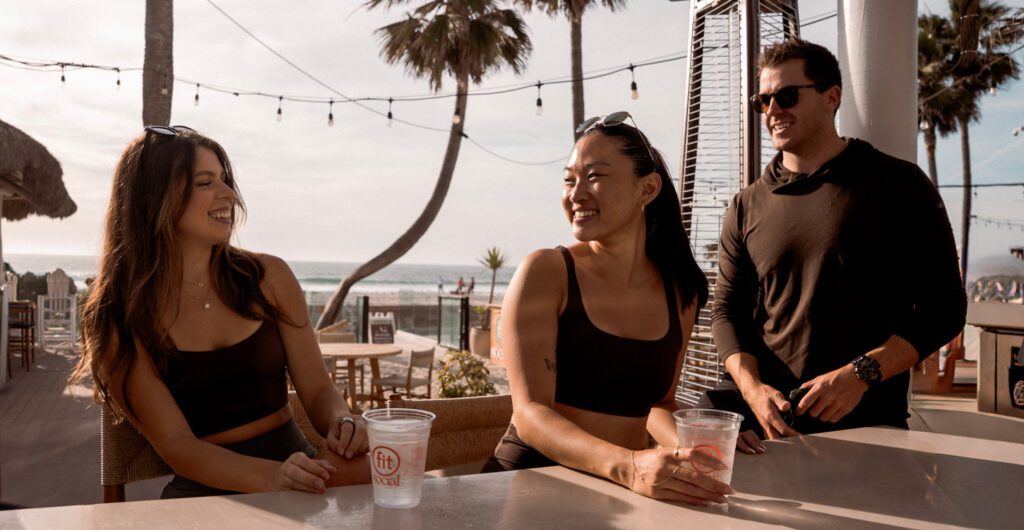
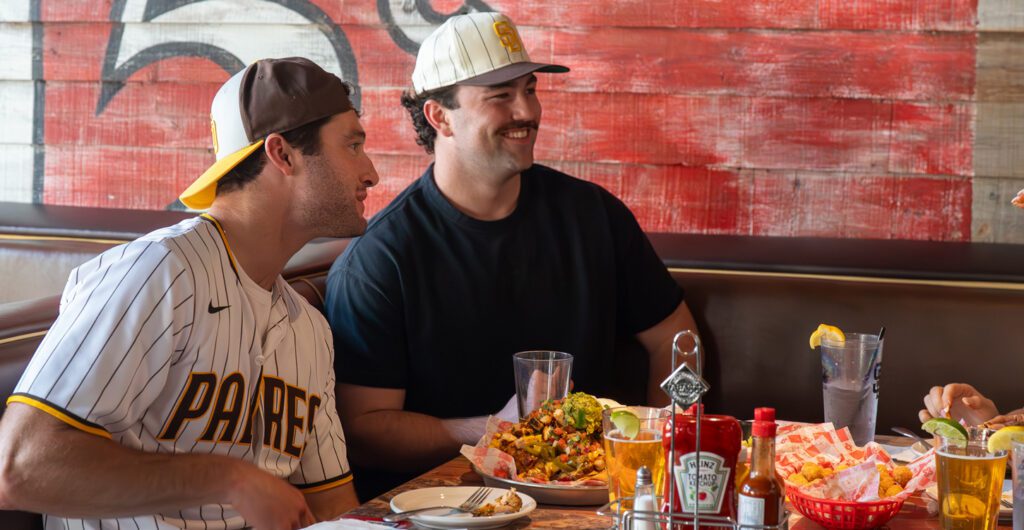
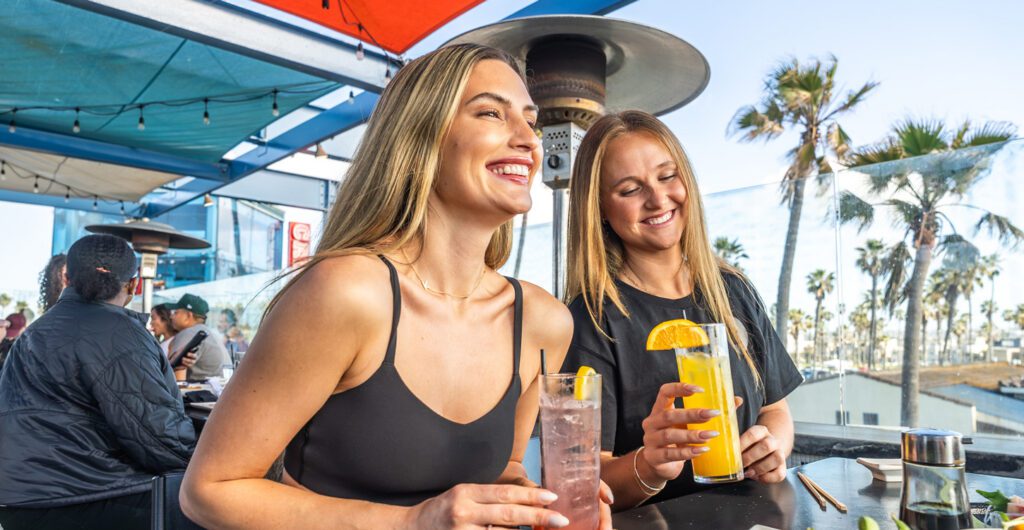
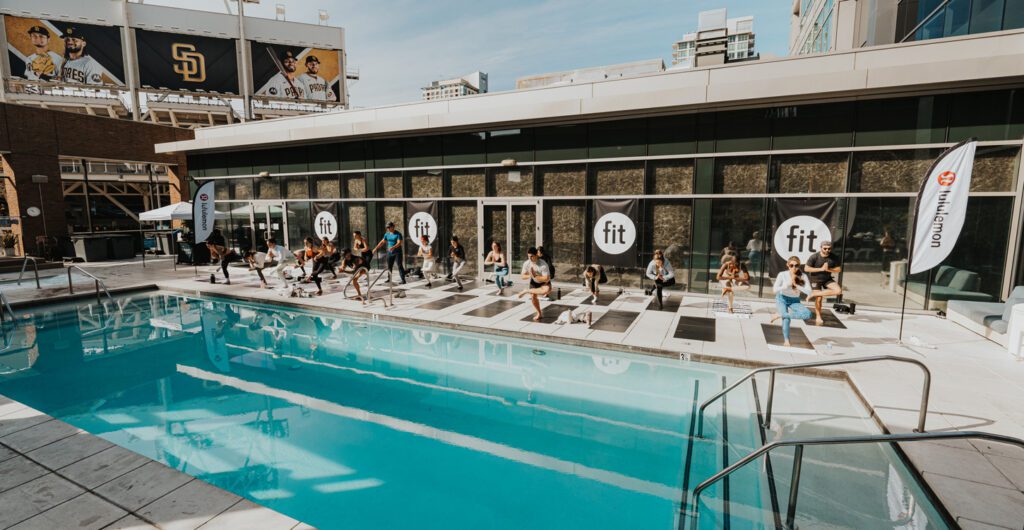
“The partner matters too; a big name is not enough,” elaborated Shaw. “There has to be a real reason for the relationship. What can they bring that we can’t? What can Fit bring that makes the experience stronger? Does it feel natural, or does it feel like two brands forcing themselves into the same photo? I think the best test is whether the experience would still be interesting without the Fit logo. If the answer is no, it probably isn’t strong enough yet.”
Partnerships are a core part of Fit’s member experience, extending membership benefits beyond the gym through local businesses, entertainment venues and sports organizations. By leveraging trusted community relationships, Fit creates exclusive, locally relevant experiences that add value and strengthen member engagement.
Through FitPerx, members receive benefits with more than 300 local businesses. That means the membership can show up in their life when they go out to eat, stay at a hotel, book a wellness service or try a new local business.
Fit also has larger relationships with organizations such as the San Diego Symphony, Snapdragon Stadium and San Diego FC. Those partnerships let them create experiences with real cultural relevance and a sense of access that would be difficult for a gym to produce on its own. Shaw said they look at those relationships as part of the product, not just a sponsorship or logo exchange.
“At industry events, people ask us all the time, ‘How are you doing this,’” said Shaw. “There isn’t one event template we can hand them. It’s the accumulation of relationships and years of showing up. A national brand may have a higher budget, but local trust isn’t something you can purchase overnight.”
But the truth is, operators in the industry shouldn’t focus on recreating the same experiences. Instead, they should focus on developing the same understanding of their own communities.
“You do not need to copy the scale,” said Shaw. “You need to copy the level of attention.”
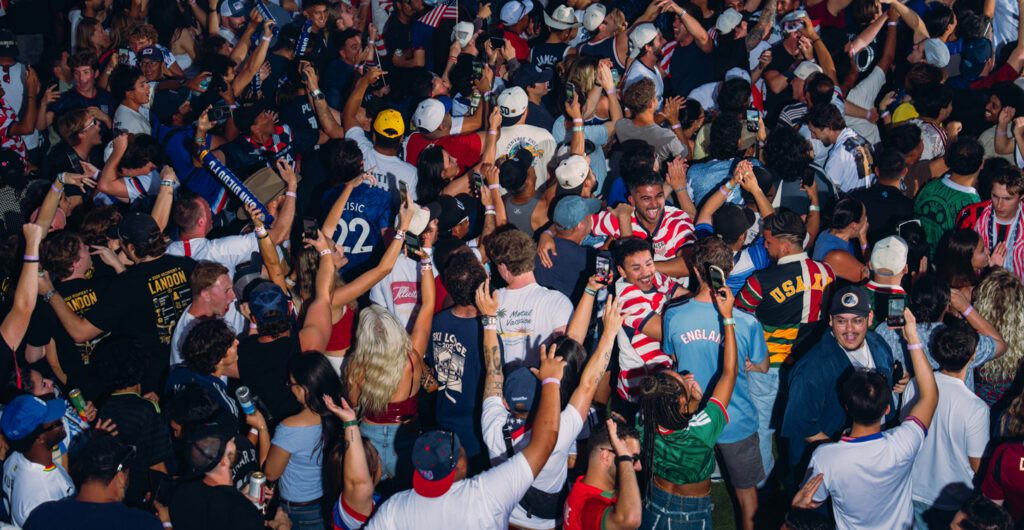
Rather than asking what event to host next, operators should first ask where members already spend their time, which local businesses they support and what cultural moments matter in their market.
That approach can uncover partnership opportunities that don’t require large sponsorship budgets. In many cases, the best collaborators are already inside the club — members who own restaurants, lead nonprofits, organize community events or operate local businesses.
The key, according to Fit, is consistency over spectacle. A recurring run club, coffee meetup or neighborhood event may create stronger relationships than a single high-budget activation. And every initiative should reflect the local community rather than imitate another market.
“A beach workout makes sense for us in San Diego,” said Shaw. “That doesn’t mean it is the right answer for an operator in another city. Don’t just copy our event. Pay attention to your own community the way we pay attention to ours.”
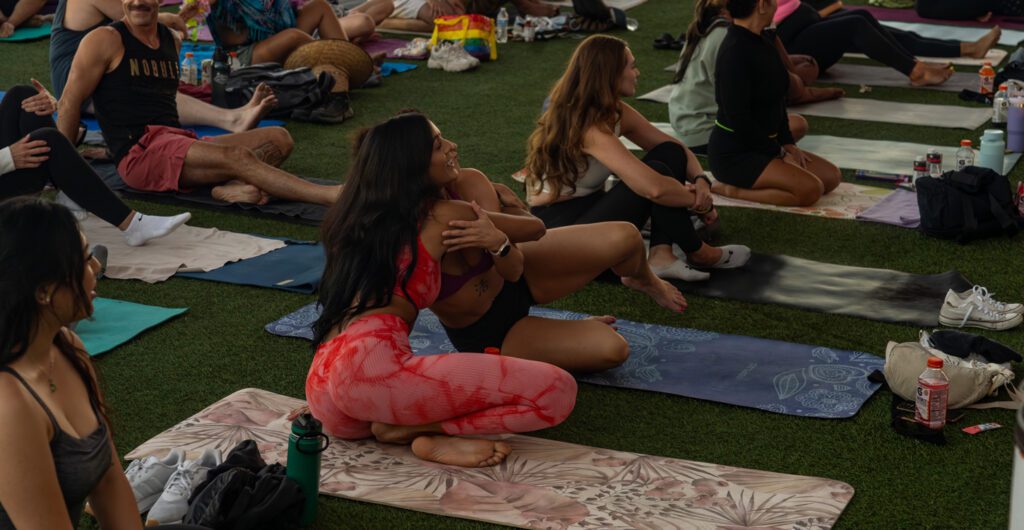
A great example of Fit paying attention to their community is its Pride Yoga at The Rady Shell. The event now draws more than 3,000 people and has become the largest recurring outdoor yoga class in the country.
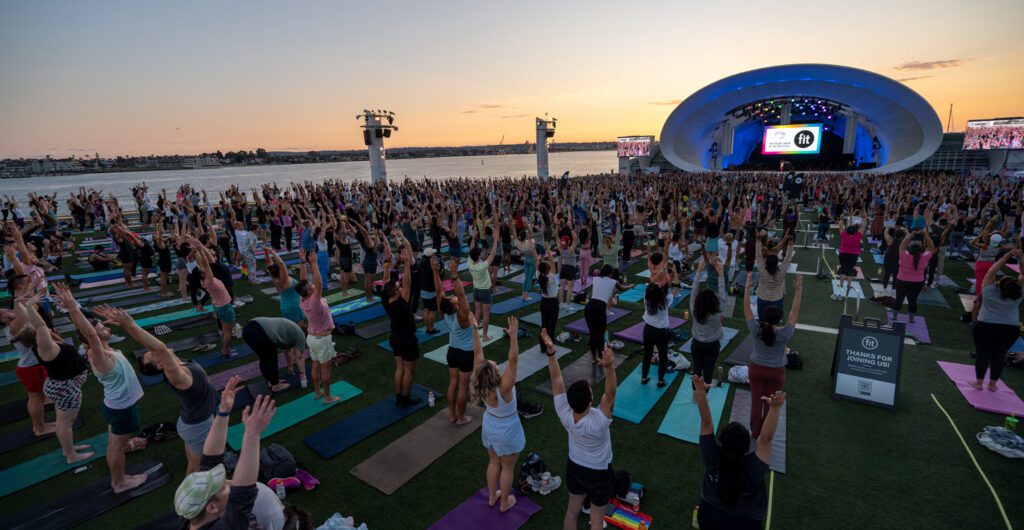
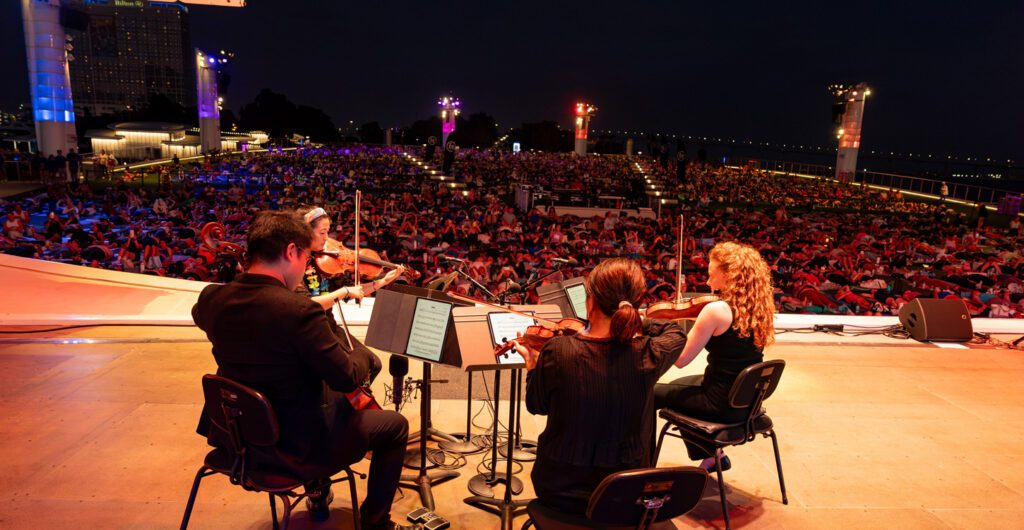
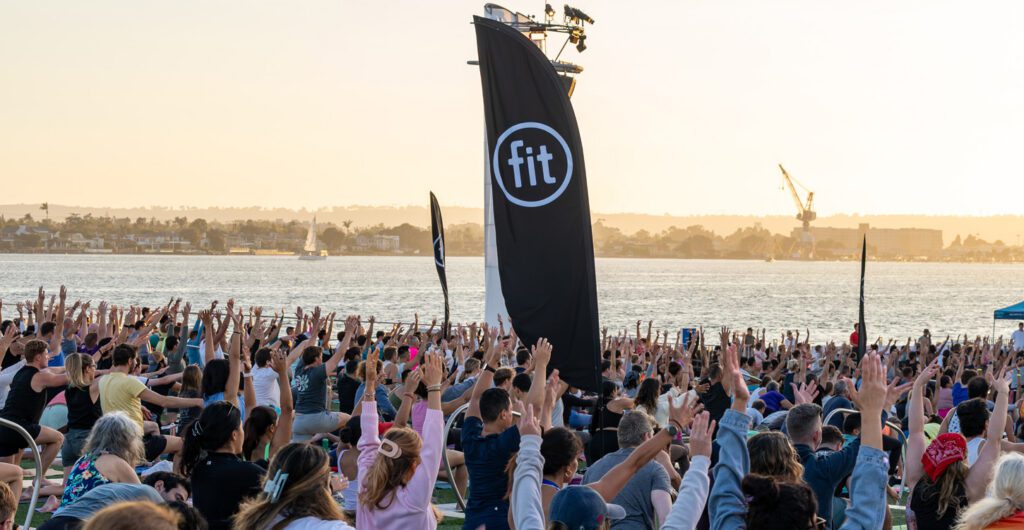
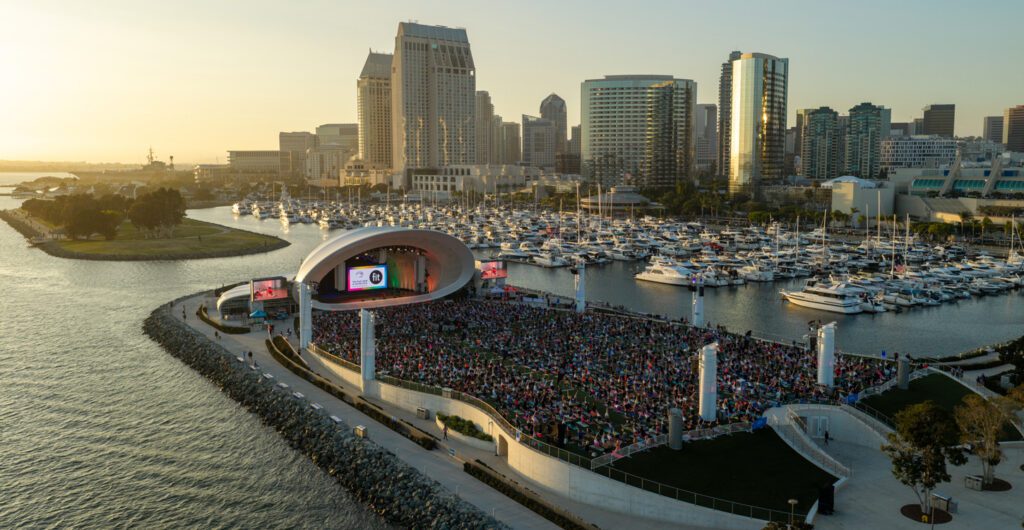
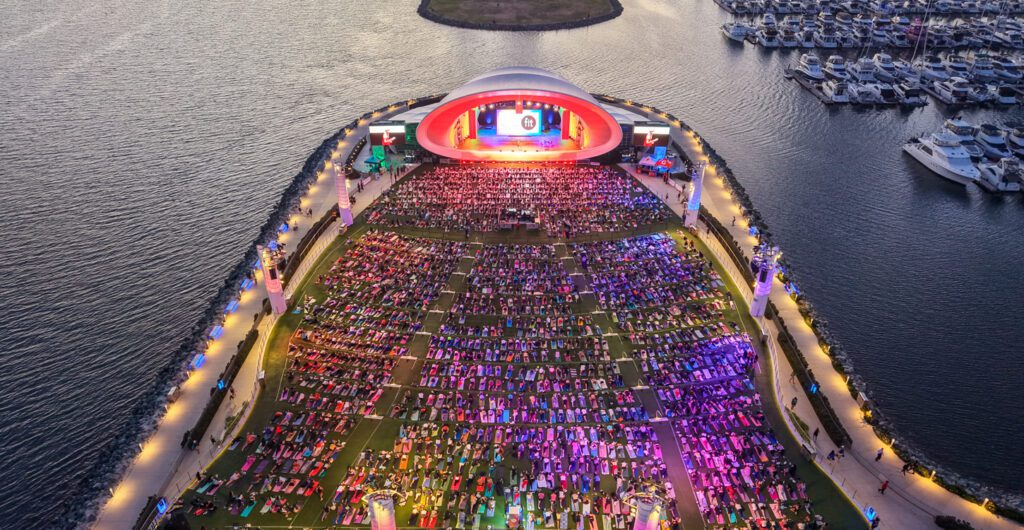
“The scale is great, but what makes it special is that it feels specific to San Diego,” said Shaw. “You have the waterfront, the San Diego Symphony, the music and thousands of people coming together around movement and pride. You couldn’t take the exact same event, drop it into a hotel ballroom and expect it to mean the same thing.”
As more brands invest in social spaces, hospitality and events, Shaw believes the industry should be careful not to mistake the visible elements of community for community itself.
“I think the industry sometimes treats community like it is another amenity,” said Shaw. “Add a lounge. Add a cafe. Schedule a happy hour. Now the club has community. It doesn’t really work that way. Those things can create opportunities for connection, but the culture has to exist on an ordinary Tuesday too. Do employees know members’ names? Do people feel noticed? Does somebody help make an introduction? Does the club feel generous, or does every interaction feel transactional? A beautiful social space can still feel completely anonymous.”
For Shaw, that’s also why community shouldn’t be viewed simply as a retention strategy.
“And I would not start by saying, ‘We need community because it will improve retention,’” said Shaw. “Members can feel when the relationship is being manufactured for a business outcome. Start by creating something people genuinely value. Retention tends to follow.”
As operators continue looking for ways to differentiate premium memberships in an increasingly competitive market, Shaw believes the answer isn’t adding more amenities but creating value that extends into members’ everyday lives.
“The industry has been asking how to make premium memberships feel worth the price as budgets tighten,” said Shaw. “Our answer is to make the value show up throughout a member’s life, not just during their workout. The goal is not to have the longest amenity list. It is to build something people would genuinely miss.”