Two operators explain how e-commerce and retail work best when they add value and make the member experience easier.
A member walks into a health club looking for a workout and walks out with a smoothie. Another realizes they forgot a shirt and buys one at the front desk. Someone else books a massage before they even leave the building. None of those transactions necessarily feel like shopping, which may be exactly why they work.
For health clubs, retail and e-commerce can be most effective when they fit naturally into what members are already there to do. The challenge for operators is figuring out where technology can make those moments easier and where products can add value to the experience for the member.
As clubs rethink how members purchase programs, services and products, the opportunity is becoming less about selling more and more about connecting the pieces of the experience. Digital tools can make registration nearly effortless, retail can reinforce the wellness journey and automation can take routine work off employees’ plates, which creates a club that’s easier to use without becoming less personal.
Removing Friction From Member Transactions
Convenience is one of the clearest reasons for moving more club transactions online. Members can register for programs, schedule services and make purchases when they’re ready rather than waiting until they’re standing at the front desk.
Chez Misko, the COO of Wisconsin Athletic Club (WAC), said the transition has been particularly useful for programming and services. His club uses its app for paid programs and workshops and has added massage therapy booking, allowing members to complete transactions outside normal club hours.
“I think that has definitely helped us in just making it easy and convenient for people to be able to just go to the app, click on whatever it is that they want to sign up for and be able to purchase it,” said Misko.
The value of that convenience becomes more apparent when it removes a step that used to require staff involvement. A member who decides at 2 a.m. that they want to schedule a massage can do so without calling the club or waiting until the next morning.
Other operators are working toward the same frictionless experience. Sarah Stille, the assistant general manager of Rochester Athletic Club (RAC), said the club is looking at technology as a major area of opportunity, with the goal of reducing the number of steps members have to take to complete routine transactions.
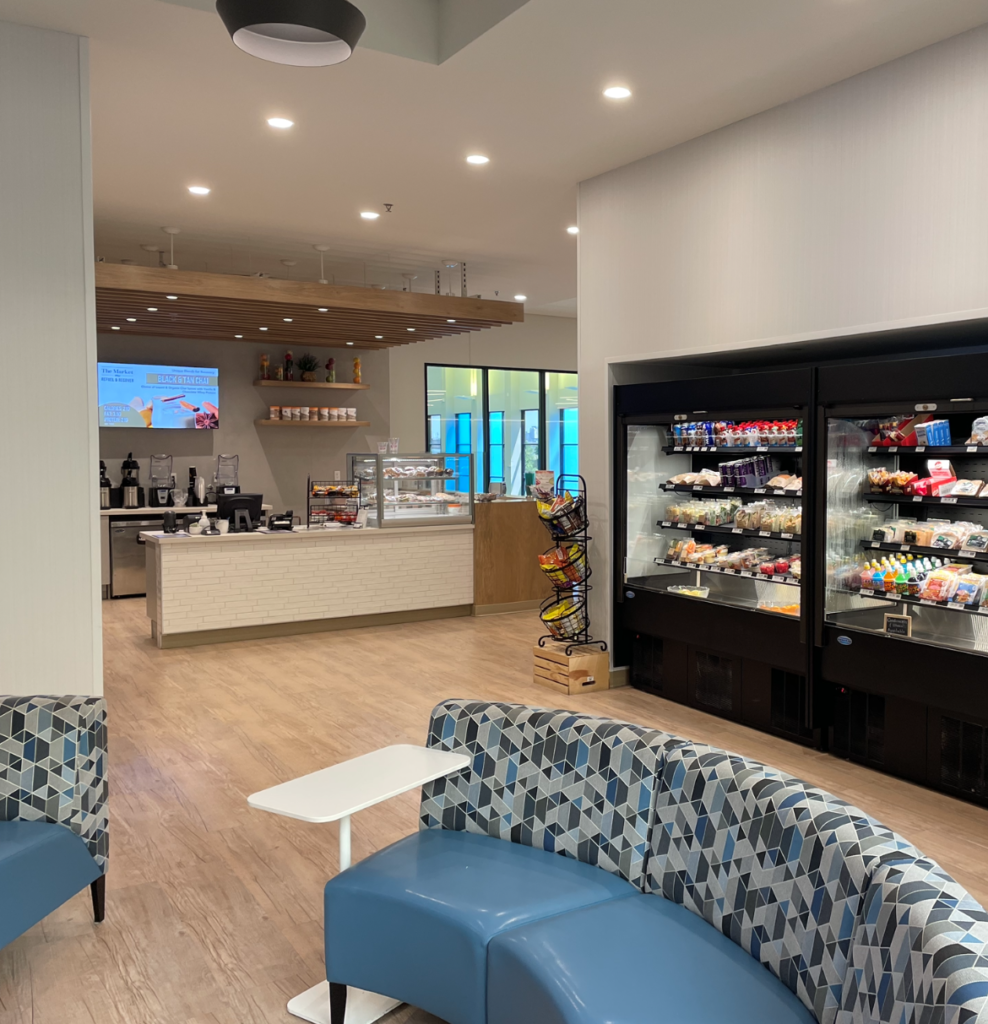
That includes working toward easier class registration, single sign-on and mobile purchasing. RAC is also exploring the ability for members to order things like smoothies through its app, potentially allowing someone to place an order before leaving or while finishing a workout and have it ready afterward.
The technology matters because it fits into the way members already use the club. A purchase or reservation becomes another part of the visit rather than a separate task.
Balancing Self-Service With Staff Support
Making everything available digitally, however, doesn’t necessarily make everything easier. Some purchases require context. Misko pointed to swim lessons as an example.
A parent may know they need to register a child but still not know which class is appropriate. A completely self-service system can make the process faster while creating problems later if members select the wrong program.
The same issue can arise with members who are less comfortable navigating new technology. Misko also shared that when WAC moved its group fitness schedule onto members’ phones, some older members still wanted a printed schedule. Staff had to help members learn the platform and understand how to navigate it.
For operators, the work is in finding the right balance between self-service and support. Technology can reduce friction for members who are comfortable using it, while employees remain available when a decision or process calls for more explanation.
The rollout itself also becomes part of the member experience. Misko said WAC develops implementation plans around new offerings, preparing employees for questions and using in-person demonstrations to teach members how to use new systems.
“A lot of people really need to be shown how to do it versus just being told how to do it,” said Misko.
That distinction is important. If staff simply complete a digital transaction for a member, the club may have solved the immediate problem without teaching the member how to use the system independently.
Treating Retail as Part of the Member Experience
Retail presents a different opportunity because the physical interaction can be part of what makes the purchase valuable.
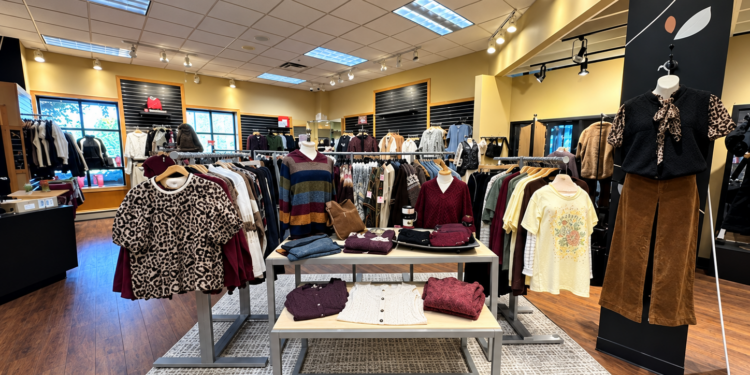
WAC previously experimented with online apparel stores but found members were more likely to purchase merchandise in the club. Being able to touch, feel and try on products remained important, while logo apparel also served as a form of club marketing.
The same thinking applies to how products are selected and presented. Stille said RAC has moved past viewing retail as just merchandise on the shelf. “We’re looking at more as an experience for the member,” she said.
Relationships help drive that experience and Stille said RAC has seen the benefits in how members use its retail space.
“I feel like it has that ‘Cheers’ mentality,” said Stille. “Everyone wants to stop in there after their workout because it’s fun. There’s always something new and exciting and they know each other. They have that personal relationship beyond just the club relationship.”
When it comes to the specific products chosen, Stille said her team pays attention to sales data, member feedback and what frontline employees are hearing from the people they interact with every day. Product decisions also require some willingness to experiment. A product that appears certain to sell may sit on a shelf, while something less obvious can move quickly. That’s why it’s important to use the information available as to make better decisions over time.
The strongest retail opportunities come when products and services reinforce what members are already trying to accomplish. Nutrition is one example.
RAC has connected its smoothie offerings with a nutrition platform by entering detailed information for its products. Members can search for a smoothie they purchased and immediately track it alongside their overall nutrition information. With this, the transaction becomes useful beyond the moment of purchase because it connects to the members’ larger wellness goals.
WAC takes a similar approach through its rewards program. Members can earn rewards through engagement with the club and use those rewards toward paid programs and services. The strategy is designed to encourage usage, particularly during the early stages of a membership when establishing a routine can be difficult. It’s just another opportunity for members to interact with the club.
Putting Staff Time Back on the Club Floor
For operators, the biggest return from e-commerce may ultimately have little to do with the transaction itself.
Automation can take repetitive administrative work away from employees, allowing them to spend more time on the club floor with members.
Misko said WAC is looking at technology through a simple question: Which tasks need to be done, and which parts of the member experience require an employee?
“If we can have some of these things being done rather than us calling people and doing some of the old fashioned ways we did twenty, thirty years ago, that’s where we can repurpose our time so that the time is spent connecting in the club versus our people in the office,” said Misko.
Competing Where Clubs Have the Advantage
There’s a practical limit to how far clubs should take e-commerce. Health clubs are unlikely to win a price battle against major brands like Amazon on equipment, apparel or other widely available products. Misko said WAC has reduced some merchandise categories where online competitors make it difficult to maintain a sustainable margin, while keeping certain products available for members who may need them immediately.
The competitive advantage comes from understanding why a member would buy from the club in the first place. Convenience is part of it. So is immediacy. A forgotten shirt or piece of equipment can be replaced without leaving the facility. A smoothie can be waiting after a workout. A massage can be scheduled without a phone call.
There’s also an opportunity to use digital commerce as a marketing tool. Misko sees clubs using their online presence to showcase programs, services and experiences to people who may not yet be members. Instead of making membership the only thing being sold, clubs can use e-commerce and digital content to create interest in what’s happening in the facility.
For Stille, it comes back to the role retail plays in the overall member relationship.
“Think of retail as part of the member journey,” said Stille. “The question isn’t simply how do we sell more merchandise but what can we offer that makes our members’ experience more convenient, more enjoyable and more valuable when they come to our club.”
That may be the most useful way to approach retail and e-commerce. The goal with this is to understand where a purchase, digital tool or product can make the existing experience better and then use technology to make the process easier while giving employees more opportunity to make the experience personal.