Wearables and fitness tracking give operators new ways to personalize coaching, boost member engagement and improve retention.
Members have more access to their fitness data than ever before. With a glance at their wrist or a few taps on their phone, they can see how hard they worked and if their performance has changed over time. As the information becomes part of everyday fitness routines, health clubs have an opportunity to turn those insights into a more personalized and engaging member experience.
Wearable technology and fitness tracking give operators additional ways to support members’ goals and demonstrate the progress being made inside their facilities. From real-time coaching to ongoing motivation, the information members collect can help clubs deliver more meaningful experiences while strengthening the relationships that encourage them to return.
At Orangetheory Fitness and Crunch Fitness, tracking technology has become part of how members engage with their workouts and measure success. By making fitness data accessible and actionable, both brands are helping members better understand their progress while giving their teams additional tools to support them.
For Orangetheory, wearable technology helps members understand how their bodies respond to exercise in real time.
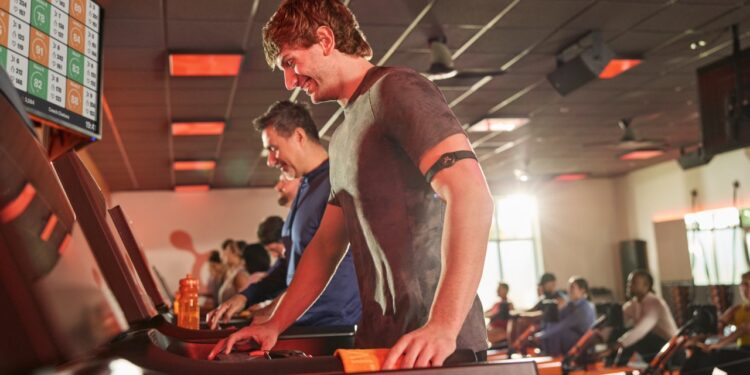
“Real-time heart-rate data is fundamental to the Orangetheory experience,” said Stephanie Schon, the domestic brand president of Orangetheory. “Through OTConnect, members can see their heart rate and corresponding effort zones throughout class, helping them understand how their bodies are responding and when to adjust their intensity.”
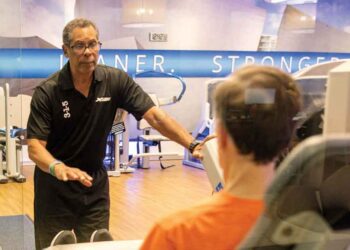
The information also gives coaches another way to guide participants through a group workout. Members may complete the same intervals or exercises, but their fitness levels, capabilities and responses to exertion can vary considerably. Live tracking helps coaches recognize those differences and provide more individualized guidance without losing the energy of a shared class.
The combination of data and coaching is central to making tracking useful. Numbers provide additional insight, but coaches help members interpret what those numbers mean for their individual workouts.
Crunch similarly positions tracking as a resource for personal progress, giving members tools to build routines and work toward individual goals. Through the Crunch app, members can explore built-in workouts, customize routines based on available equipment and monitor their activity. Those who work with personal trainers can also log workouts and nutrition and book sessions through the app.
“Ultimately, technology helps streamline the process, but the personal connection and guidance of a trainer remain key to helping members work toward their goals,” said Danielle Pakradooni, the VP of signature and brand marketing at Crunch.
Keeping that relationship at the center of the experience helps ensure technology supports the service members receive rather than becoming a separate task they must manage on their own.
One of the challenges in fitness is that improvement doesn’t always feel immediate. Members can attend workouts consistently without noticing meaningful changes from one session to the next. Tracking offers a way to recognize progress that might otherwise be difficult to see.
Orangetheory gives members access to performance metrics during class and workout summaries afterward through its app and email. Members can review heart-rate zones, calories burned and Splat Points, which represent minutes spent in the orange and red heart-rate zones. Connected treadmills and rowers add equipment-specific measurements, while the app’s Trends feature helps members examine change over time.
Schon said the value comes from giving members multiple ways to measure improvement. A power walker may be able to sustain a higher incline at a similar effort, while a rower may maintain a faster split over a comparable interval.
“Our periodic benchmarks, such as the one-mile treadmill or 500-meter row, also give members repeatable checkpoints to measure against their everyday training,” said Schon.
The ability to look back at previous workouts gives members tangible evidence of their effort and a reason to keep working toward their goals. It also gives coaches useful information when discussing progress and helping members determine what to focus on next.
Crunch’s approach emphasizes flexibility in how members define success. Some may want to increase their activity, while others may focus on completing workouts or reaching a specific goal. Its monthly fitness challenges provide additional structure, with targets centered on activity minutes or distance and participants eligible for prize drawings.
“Every fitness journey is different, so we want to give members the flexibility to track what matters most to them and find ways to make fitness a consistent, rewarding part of their lives,” said Pakradooni.
That is important for operators supporting members with different experience levels and motivations. Giving people accessible ways to measure their own progress can help tracking feel relevant regardless of where they begin.
Wearables also can help clubs fit more naturally into members’ lives outside the facility. Many people already use watches and apps to monitor activity throughout the day. Integrating those tools with a club’s own technology can make it easier for members to maintain a consistent view of their fitness without asking them to adopt an entirely new system.
Crunch supports connections with compatible platforms and devices — including Apple Health, Garmin Connect, Strava, MyFitnessPal and Apple Watch — which allows members to bring information from tools they already use into their fitness routines through the club’s app.
Orangetheory has also expanded its approach to device compatibility. While the brand’s OTConnect Beat performance remains available, it has also introduced OTConnect integration for Apple Watch, allowing members to access real-time performance data on a device they already own. Members can start workouts from their watch and review their performance summaries afterward.
“For us, the value isn’t tied to one specific device, but to the experience we’ve built around the technology and how it helps members better understand their workouts and track their progress,” said Schon.
Both brands illustrate the importance of aligning technology with the experience a club wants to deliver. A proprietary system can connect performance data directly to a signature workout, while integrations can reduce barriers for members who prefer using existing devices. The right approach depends on how tracking supports the club’s programming and the needs of its membership.
The benefits of tracking also have implications for retention. When members can see how their performance changes over time, they have another way to recognize the value of their participation, even when progress feels gradual.
At Orangetheory, Schon said the brand has observed stronger retention among members who use heart-rate monitoring, reinforcing the role tracking can play in engagement.
“While technology helps members understand their progress and stay connected to their goals, our coaches provide the personal support and encouragement that help make those insights actionable and keep members engaged in their fitness journey,” said Schon.
Crunch uses monthly challenges to create a shared reason for members to participate, adding friendly motivation to individual goals. The format gives members a tangible target while reinforcing the brand’s emphasis on an approachable, community-oriented fitness experience.
For both clubs, engagement depends on making tracking easy to understand and relevant to the member. Schon said Orangetheory focuses on helping new members recognize the value of performance data from the beginning, while improvements to its monitor emphasize reliable connectivity, ease of use and convenient access to results.
As wearables become more integrated into everyday fitness routines, clubs have an opportunity to use the resulting information to strengthen the relationship between members and their facilities. The most effective tracking experience gives members a clearer understanding of their own progress while helping operators deliver more personalized guidance, meaningful goals and reasons to return. The technology provides the measurements, but the member experience determines what those measurements are worth.