For health club operators navigating a market defined by rising competition and evolving consumer expectations, Greg Pfohl, the recently appointed senior vice president of operations at Retro Fitness, offers a clear message: affordability may bring members through the door, but disciplined operations and differentiated experiences are what keep them there.
With 15 years inside the Retro system — beginning as a general manager and rising through the ranks — Pfohl steps into his new role at a moment when the high-value, low-price (HVLP) model continues to surge. Yet his perspective signals a shift in how operators should think about growth and sustainability.
“Health club accessibility has never been greater than it is today,” said Pfohl. “People do have options, and they have decisions.”
In other words, attracting members is no longer the primary challenge — keeping them is. For Pfohl, the differentiator is not simply pricing strategy or flashy amenities, but the consistency of execution inside the club and the value delivered beyond it.
Beyond Price: Differentiation Inside and Outside the Four Walls
Pfohl stresses that affordability alone is no longer a sufficient competitive advantage. Modern operators must pair low barriers to entry with tangible differentiators — amenities, programming and digital touchpoints that extend beyond the gym floor.
Retro Fitness’ strategy illustrates this shift. From smoothie bars and recovery options to nutrition content, culinary partnerships and mental-wellness resources delivered through its app, the brand is intentionally building an ecosystem that follows the member outside the club.
For operators, the takeaway is clear: the member relationship should not end at the sale. Delivering value between visits — through content, coaching or community — is becoming a defining retention tool.
Operational Rigor Over Promotional Volume
While the HVLP segment remains strong, Pfohl is equally vocal about the risks of relying solely on acquisition-driven promotions. The priority, he explains, is extending member lifespan beyond the typical churn window rather than cycling through new sign-ups.
“I think where the differentiator is for operators out there is operational rigor, operational excellence,” said Pfohl.
This philosophy represents a meaningful pivot for many operators accustomed to heavy discounting or short-term incentives. In Pfohl’s view, disciplined execution — from staff training to cleanliness to onboarding processes — creates the type of in-club experience that turns first-time visitors into long-term members.
Tiered Memberships Protect Margins Without Losing Accessibility
Another major operational lever is pricing structure. Retro Fitness has intentionally moved beyond a single low entry point toward tiered memberships that bundle premium amenities while maintaining accessible base options.
“The tiered membership model works to your favor there because you can bring in value drivers or differentiators at a higher price point,” said Pfohl.
For operators, tiered pricing offers a dual benefit: preserving inclusivity while increasing average revenue per member. Rather than abandoning affordability, the model reframes it as the first step in a broader value ladder.
Systemization Enables Scalable Growth
As Retro expands — with approximately 200 locations open or in development — Pfohl underscores that growth without infrastructure can quickly become detrimental. The company’s focus on franchise business coaches, mutual performance plans and its internal training ecosystem, “Retro University,” reflects a belief that scale must be supported by repeatable systems.
“Be brilliant at the basics,” said Pfohl. “Do the basics right, be consistent, be obsessive.”
This mantra resonates strongly for multi-unit operators and franchise systems alike. Standardized playbooks, low spans of control for field support and data-backed decision-making are framed not as bureaucratic overhead, but as the engine behind sustainable expansion.

Community Is the New Retention Strategy
Equipment and square footage remain important, but Pfohl repeatedly returns to the power of group-based experiences. Personal training, small-group sessions and communal spaces are positioned as emotional anchors that transform facilities into social hubs rather than transactional workout spaces.
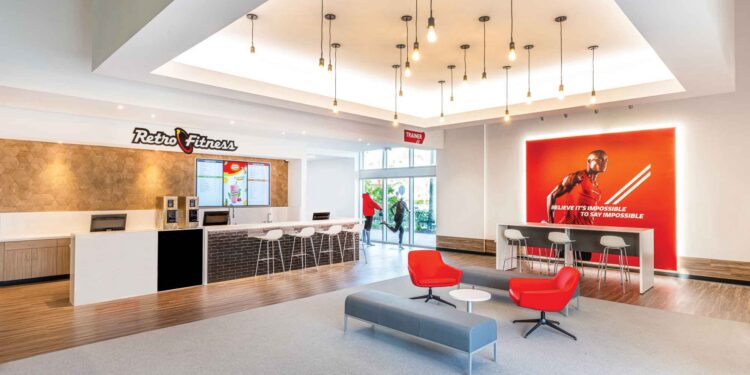
Members increasingly seek belonging alongside fitness outcomes. Operators who invest in structured group programming and intentional lobby or lounge design may find stronger loyalty and longer tenure as a result.
Data-Driven Design and Continuous Evolution
Facility design and amenity selection, according to Pfohl, should be guided by member data rather than trend chasing. Retro’s approach includes analyzing equipment usage, layout flow and demographic shifts — particularly the growing influence of Gen Z and millennial strength-training audiences — before committing capital.
Equally important is the willingness to evolve while maintaining brand identity. Operators are encouraged to modernize offerings and delivery methods without losing the core attributes that initially attracted their membership base.
The Core Message for Operators
Across themes of pricing, programming and expansion, Pfohl’s guidance ultimately converges on a single principle: sustainable success stems from disciplined execution paired with intentional differentiation. Accessibility may open the door, but retention is earned through operational excellence, community building and a brand presence that extends into members’ daily lives.
For health club operators evaluating their next strategic move, the Retro Fitness playbook suggests a clear path forward — one grounded less in flashy promotions and more in the consistent, data-driven delivery of value that keeps members coming back month after month.