How forward-thinking operators are turning cardio floors into engines for member engagement, retention and long-term value.
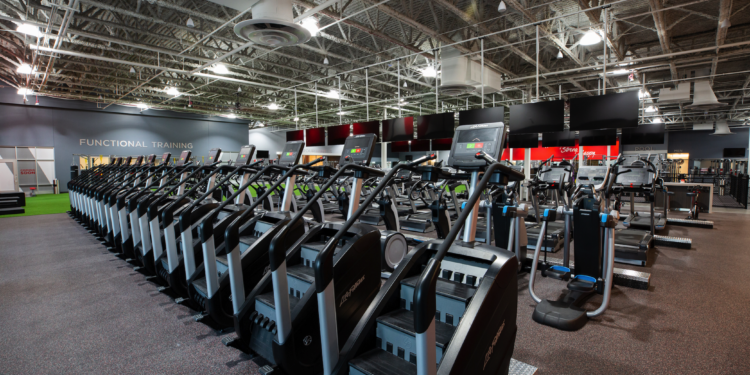
For decades, cardio floors in many health clubs followed a similar format with rows of treadmills, ellipticals and bikes stretching across. While the equipment itself has evolved, there’s a more significant shift happening inside modern clubs.
Increasingly, operators are rethinking cardio as a strategy to influence member behavior and create meaningful training outcomes. This shift is driven by a deeper understanding of how members actually use fitness spaces. The right combination of cardio equipment, programming, coaching and technology turns a workout into a purposeful movement experience that extends well beyond the burn. The result is greater engagement, stronger habits, and ultimately, long-term member value.
Rethinking the Floor
VASA Fitness is one of many clubs that has moved from a passive offering to a carefully designed experience.
“Our philosophy around cardio has definitely evolved,” said Layne Nordquist, the senior vice president of fitness at VASA. He noted that before, they too fell into the rows of machines trend that was shaping cardio floors. “Today, we think much more intentionally about the experience and the role cardio plays in helping members reach their goals.”
VASA tracks member behavior and usage patterns to inform decisions about equipment mix and quantity. Because of this, the clubs have increased the number of high-demand equipment such as treadmills and stair climbers. On the other hand, they have limited other machines that are underutilized like ellipticals and added a variety of newer equipment in the free space.
The goal isn’t simply to modernize the equipment lineup but to ensure members have consistent access to the tools they need without long wait times. When the environment is designed around actual member behavior, the cardio floor becomes more functional, efficient and welcoming.
A key element to this shift is recognizing that cardio doesn’t operate in isolation. Instead, it functions as one component within a broader fitness ecosystem.
“Equipment placement, flow, visibility and proximity to other training zones all play a role in how a member interacts with the space,” said Nordquist.
When cardio areas are intentionally connected to strength zones, functional training spaces and studio environments, members can move seamlessly between modalities. A workout might begin with a treadmill warm-up, transition into strength training and end with recovery work.
This interconnected approach mirrors how people naturally train. Instead of treating cardio as a separate category, it becomes part of a cohesive training journey that supports multiple goals.
Mary Olson, the general manager at Little Rock Athletic Club (LRAC), echoed this perspective. “Our trainers educate members on the importance of a comprehensive approach to fitness, which includes all modalities,” said Olson. “Cardio equipment is a vital component of a total training approach.”
Creating a Connected Cardio Experience
Behind many of these decisions is a growing reliance on performance data and connected technology.
For operators, technology provides insights into how members interact with cardio equipment. Usage analytics, maintenance data and member feedback all help clubs refine their equipment mix and programming strategies.
At the same time, connected technology enhances the member experience by turning workouts into measurable progress.
Through mobile apps and integrated systems, members can track workouts, monitor performance and visualize improvement over time. That visibility plays a powerful role in motivation. When members can see their progress, the workout becomes more meaningful and reinforces their commitment to returning.
Olson noted technology also strengthens accountability. “Technology has become a powerful tool for our industry,” she said. “It serves as an accountability tool and provides important tracking information to the user. Those two variables build a strong desire to continue on the fitness journey.”
But technology can also raise problems for clubs. “Members increasingly expect their fitness experience to mirror the digital convenience they have in the rest of their lives,” said Ruben Meija, the executive vice president of SportsArt Americas. “But operators are managing tight budgets limited space and growing maintenance concerns.”
When cardio equipment and facility management systems don’t communicate well, the issues land on both staff and members. Mejia advises operators to evaluate equipment not just as a product, but as part of a broader plan that includes digital engagement, energy usage and long-term durability. Sustainability, he noted, is increasingly factoring into those decisions as well.
“The facilities that succeed will be the ones that view cardio not as a cost center, but as a strategic asset,” said Mejia
SportsArt is redefining connected, sustainable cardio experiences for modern fitness facilities with POWR+ – a software ecosystem that seamlessly enhances the benefits of ECO-POWR products, coming in 2026. Learn more at gosportsart.com.
The Programming Difference
However, equipment and technology alone don’t create engagement. Coaching and structured programming transform cardio from passive exercise to purposeful training.
At VASA, trainers begin by conducting consultations and movement assessments to understand each member’s goals and starting point. From there, they build customized training plans tailored to the individual that include intervals, intensity targets and progression.
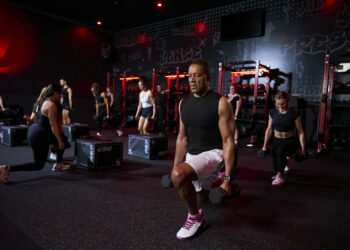
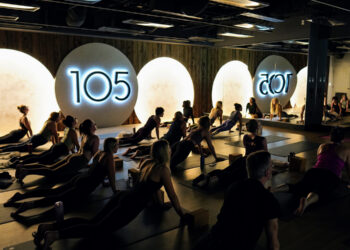
Structured studio experiences further reinforce this approach. Programs like high-intensity interval classes incorporate heart rate monitoring, coaching and performance benchmarks to help members train within specific zones and track improvements.
These types of experiences create a sense of purpose and progression, both closely tied to long-term adherence.
Education also plays an important role, particularly for members who may view cardio primarily as a calorie-burning activity.
“Our instructors and trainers coach members on the training range of cardio equipment,” said Olson. “That can include heart rate zone training, intervals and recovery. When cardio equipment is used across its full spectrum, the workouts become much more meaningful and productive.”
Meeting Members Where They Are
Beyond performance outcomes, cardio spaces often serve as an important entry point for new members. Because equipment like treadmills and bikes are familiar to many people, they can provide a comfortable starting place for individuals who may feel intimidated by other areas of the gym.
At LRAC, new members receive strategy sessions covering the facility’s equipment and receive trainer recommendations aligned with their individual goals.
Similarly, VASA often places cardio equipment near the front of the facility, making it visible and approachable for new members entering the club.
These design and onboarding choices reduce barriers to participation and help members begin building consistent habits early in their membership.
Tracking the Right Outcomes
Ultimately, the most effective cardio strategies measure success through how it contributes to the broader engagement of the club.
Operators increasingly track metrics such as visitation frequency, participation in group programming and personal training engagement to understand whether their cardio strategy is helping members build sustainable routines.
When members regularly return to the club, participate across multiple training areas and feel a sense of progress in their workouts, the cardio ecosystem is working.
The cardio floor has always been one of the most visible spaces in a facility but its value is now being measured beyond just foot traffic. As operators continue to integrate data, programming and coaching into the cardio experience, the equipment itself becomes just one variable in a much larger equation.
“The future of cardio isn’t just workouts,” said Nordquist. “It’s helping members achieve meaningful transformation.”
For operators, that means taking a look at whether their cardio strategy is driving outcomes that matter most. Members who return consistently, engage across the facility and build habits that last.