When people think about fitness programming, the images usually come easily: a spinning class, a small group session or a personal trainer pushing someone through a challenging set. What’s harder to see at first glance is the intentional structure behind it — the systems of engagement, personalization and retention that keep members coming back.
In top clubs, programming isn’t just about filling a schedule, it’s about cultivating a culture. That culture thrives on genuine connection from instructors who remember names, coaches who track progress, and follow-ups that make members feel seen and valued. These aren’t lofty ideals — they’re proven practices, honed through years of observation, member feedback and real-world results.
“Members may not feel accountable to a treadmill; they feel accountable to their personal trainer or group fitness instructor,” said Joella Hopkins, the executive vice president of fitness at EoS Fitness. “It’s more than just going to the gym and working out — it’s going to the gym, seeing familiar faces and working out together. You’re part of a community.”
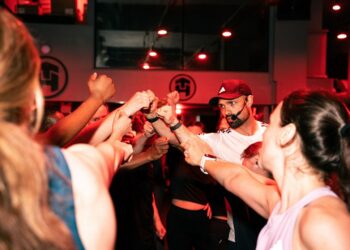
For many members, that sense of community starts in the Group X studio. Group fitness has long been a welcoming entry point, offering structure, energy and a sense of belonging. Lois Miller, director of group fitness at Fitness Formula Clubs (FFC), explained the appeal, “Starting and maintaining a fitness routine can feel overwhelming, but group classes provide structure, variety and a welcoming entry point.”
At Wisconsin Athletic Club, programs coordinator Ann Glor sees the same effect.
“Our Group X programs are a significant driver of community within our clubs,” explained Glor. With formats like Zumba, yoga and cycling, there’s something for every fitness level and interest. Since there are no appointments or extra fees, new or hesitant members can join immediately.
Even after the COVID-19 pandemic, when some assumed group classes might lose their appeal, the opposite proved true. Hopkins noted class sizes at EoS are now larger than ever. “Some thought in-person group fitness events in the gym would be a thing of the past,” she said. “They couldn’t have been more wrong.”
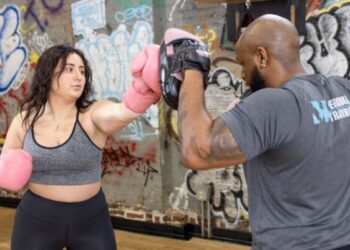
The enduring popularity of group classes highlights that many members thrive on both community and structure, but not everyone is ready for the intensity or commitment of one-on-one training. Small group training (SGT) meets members where they are, offering the accountability and guidance of a coach while maintaining the social energy of a group setting.
“Small group training adds a layer of personalization and accountability in a more intimate, coach-led environment, ideal for members who want targeted results with the support of a small team,” said Jon Baraglia, the senior regional director of club operations and fitness at FFC.
Clubs also find SGT to be a powerful conversion tool. Glor described it as “a high-value program for both members and clubs,” noting its ability to promote routine and long-term engagement while naturally introducing participants to higher-tier services.
A standout program within the personal training department at Wisconsin Athletic Club has been Team Training. It was introduced a few years ago as a way for members to find more flexibility with PT and for trainers to maximize their schedules. Designed for small groups of three to six participants, these 45-minute sessions offer members a high-quality, trainer-led workout experience at a more accessible price point.
The program’s success is based on a few factors. First, it provides a cost-effective solution for individuals who appreciate the motivation and energy of training with others, without sacrificing the structure and expertise of personal training. Second, its drop-in format offers the flexibility today’s members often need, removing the pressure of fixed weekly commitments and accommodating varying schedules and budgets.
“Additionally, Team Training naturally builds community and accountability, as group composition can vary each session, allowing members to connect with different individuals over time,” explained Glor. “From a staffing perspective, the model has proven popular among our trainers who appreciate the ability to scale their offerings and increase profitability in a time-efficient manner. This balance of member value and operational flexibility has made Team Training a long-term win for both clients and staff alike.”
The success of programs like Team Training underscores how closely member experience and staff development are intertwined. When trainers are supported with the right tools, education, and autonomy, they can create engaging, accountable, and scalable programs that benefit both participants and the club. This alignment between program design and team development highlights why building a strong, well-trained staff is just as critical as the programming itself.
Behind every successful program is a strong team. Leaders agree that culture fit, soft skills and ongoing education matter as much as technical expertise. Hiring often starts with personality and passion with technical skills developed later through structured onboarding and continuing education. Clear expectations, regular feedback and recognition are emphasized to keep staff engaged.
At Wisconsin Athletic Club, many instructors begin as participants before stepping into leadership roles. New staff go through a structured onboarding process, including shadowing, orientation, and guidance from leadership, complemented by ongoing workshops, training and mentorship opportunities. Continuous learning is considered non-negotiable — from auditions for new instructors to ongoing education for experienced trainers, staff are expected to grow alongside the members they serve.
This focus on staff development ensures instructors are not only technically skilled but also deeply attuned to member needs. By cultivating knowledgeable, engaged staff, clubs can more effectively monitor participation, gather meaningful feedback and adjust programming in real time — creating a continuous cycle of improvement that keeps offerings fresh and members engaged.
Tracking success is both quantitative and human. Attendance trends, instructor popularity and direct feedback all inform programming decisions. Hopkins emphasized that EoS continuously explores new formats as part of its identity.
“First and foremost, we believe our members vote with their feet,” said Hopkins. “If they love a class or an event, they attend. We rely heavily on member feedback. Our members are very vocal at telling us what they like and what they don’t like — and we welcome that. We want to provide our members with more of what they want and less of what they don’t want. We use their feedback to continually improve and get better.”
EoS also uses a quantitative approach to effectively manage and evaluate the success of its classes. Hopkins said they’ve developed key performance indicators that help them quickly determine how well they’re doing and where they need to adjust. Classes that need a boost are assessed for improvement opportunities — time slot, program type, location, instructor, etc. — ensuring they provide members the best possible experience.
Baraglia agreed that high attendance signals the need for more offerings, while lower demand calls for adjustments.
“One key metric we track is average class participation and waitlist demand,” said Baraglia. “While some formats are heavily driven by instructor popularity, consistent high attendance typically signals strong interest in the format itself, prompting us to increase offerings in that area and potentially reduce lower-demand classes.”
Ultimately, successful programming is less about flashy initiatives and more about consistent, member-centered practices: attentive coaching, ongoing staff development, data-informed adjustments and a culture of connection.
One of the most effective ways to grow Group X and SGT is to stop viewing them as isolated services and start seeing them as interconnected opportunities for engagement and specialization.
“They’re unique offerings that play distinctive roles in your clubs, but all have the same ideal outcome: member longevity and connection,” explained Glor. “When departments operate in silos, opportunities for member growth and progression often get lost. Cross-referrals are missed, communication breaks down and members can feel stuck in a single lane with no clear next step. But when your team works together — front desk staff, instructors and trainers alike — your programs become a cohesive unit designed to support every stage of the member experience.”