
Industry leaders share how shifting member expectations and community-first thinking are reshaping group fitness programming.
Group fitness remains one of the most powerful tools clubs have for driving engagement, retention and member results but the expectations surrounding it continue to evolve. During this month’s Thought Leaders panel, industry leaders discussed trends shaping group fitness today and the strategies they’re using to keep programming relevant.
Today’s consumers are approaching fitness with greater intention than ever before. These members are looking for experiences that deliver specific outcomes instead of choosing a class solely based on the format.
Jennifer Kuehn, the VP of studio fitness and programming at The Edge Fitness Clubs, said the industry has seen a significant shift in member expectations.
“It’s experience over anything,” said Kuehn. “People want that experience from instructors to the music to the environment.”
Kuehn noted members also expect programming to connect directly to their goals and want flexibility in how they engage with fitness whether in-person, virtual or through multiple modalities.
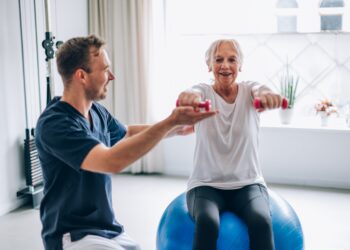
Michelle Ditto, the VP of training, technique and experience for Pure Barre, pointed to demographic shifts helping drive these changes. She highlighted the growing influence of older adults entering fitness facilities and their increasing interest in strength training.
“I think the number one fitness trend that we’ve all seen kind of emerge in the past five years is strength training,” said Ditto. “Everyone knows I have to pick up something heavy if I’m going to get more life out of these bones.”
Elise Stolzle, the fitness director at Stone Creek Club and Spa, agreed adding that active aging, rehabilitation support and teen participation are all influencing programming decisions.
“One interesting thing for us has actually been our teenagers,” said Stolzle. “Our 4:30 classes have grown. We now have a 4:30 class every single day and I’m saying it’s packed in there with these teenagers.”
Stolzle said the trend has created a unique opportunity for community building, with mothers and daughters frequently attending classes together.
Meanwhile, Loryn Huff, the national program director for Midtown Athletic Clubs, said more members expect efficiency.
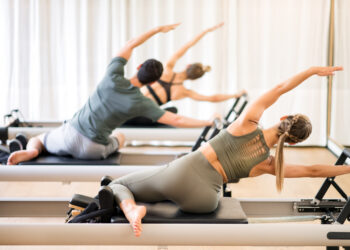
“The 60-minute formats for us are really kind of obsolete now,” said Huff. “People also want more modalities in one experience.”
As a result, Midtown has seen growing demand for 30- and 45-minute formats that combine multiple training styles while still emphasizing strength development.
While operators continually seek fresh programming ideas, the panelists agreed that introducing new concepts requires careful evaluation and a willingness to make difficult decisions about underperforming classes.
Huff explained her team closely monitors participation, studio occupancy and member engagement metrics to evaluate performance of the classes they offer.
Beyond attendance numbers, operators are also assessing how effectively studio space is being utilized and how programming contributes to overall club engagement.
At Chuze Fitness, Diana Gilbert, the senior director of fitness, said the company also tracks unique users and gives new concepts time to develop before making decisions.
“We’re going to try this class at this time with you specifically, and we’re going to give it six weeks and watch the trend,” said Gilbert.
Kuehn emphasized the importance of transparency when changes are necessary. She said they tell members that the classes are for them but at the same time they want to be able to evolve the programming at the club.
Many of the panelists also highlighted the value of testing concepts through pop-up classes before committing to overall implementation. This approach allows operators to gauge member interest, gather feedback and refine the offerings before scaling them into multiple locations.
Although formats, technology and trends continue to evolve, the panelists agreed the strongest group fitness programs are still built on relationships.
For Stone Creek, community often starts outside of the studio. Stolzle described hosting events, restaurant partnerships and off-site workouts to help members connect in more relaxed environments.
“Getting outside of the four walls of our club to build those connections has been really beneficial for us,” said Stolzle.
This is the same approach The Edge Fitness takes. Kuehn pointed to outdoor fitness events, HYROX-inspired competitions and social experiences as ways that have helped the clubs create memorable moments that extend beyond the workout itself.
Ditto believes successful communities begin with team culture and strategic partnerships. “People want to be a part of something that feels like, ‘Oh, it’s a little bit cooler than I am,’” said Ditto.
At Midtown, Huff’s team has introduced “connection mapping” into instructor education, encouraging them to intentionally plan moments for member interaction throughout each class.
“The intentional points where they’re going to connect with a member, or introduce members to one another, are just as important as how you program design,” said Huff.
Ultimately, the discussion showed that while group fitness continues to evolve, its core purpose remains unchanged. Members want results, connection and experiences that make them feel part of something bigger
Kuehn said it best. “Stop thinking about group fitness as an amenity and as a driver to business,” she said. “You’re not going to win by the most classes. You’re going to win by the best programming, the best-in-class instructors and that epic experience. People might join because of the equipment, or they might join because of the lavender towels, but they’re going to stay for the connection that you create within those four walls and that’s where the magic sits.”
Watch the full conversation here.