Inside the programming strategies, studio investments and data-driven decisions reshaping group fitness at clubs.
Group fitness has evolved beyond a collection of classes on a weekly schedule for many health clubs. Today, it serves as one of the most effective ways to create and keep a community inside a club.
With this, operators are rethinking not only the programming they offer but also the spaces where those experiences take place. From boutique-inspired studio environments to data-driven scheduling strategies, the most successful clubs are treating group fitness as a complete experience designed to maximize participation and strengthen loyalty.
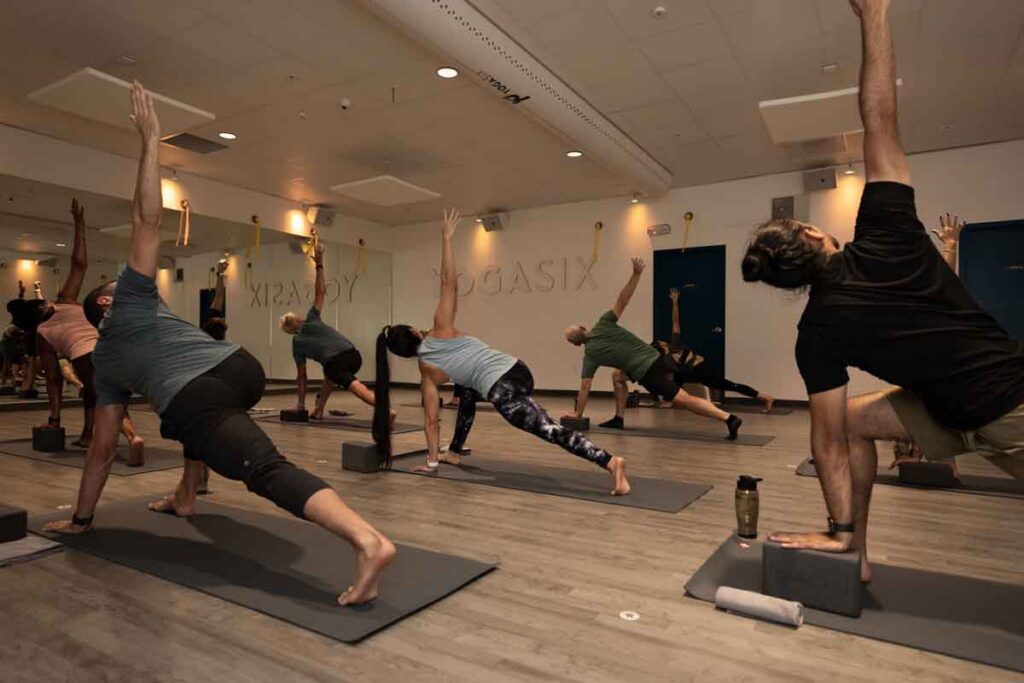
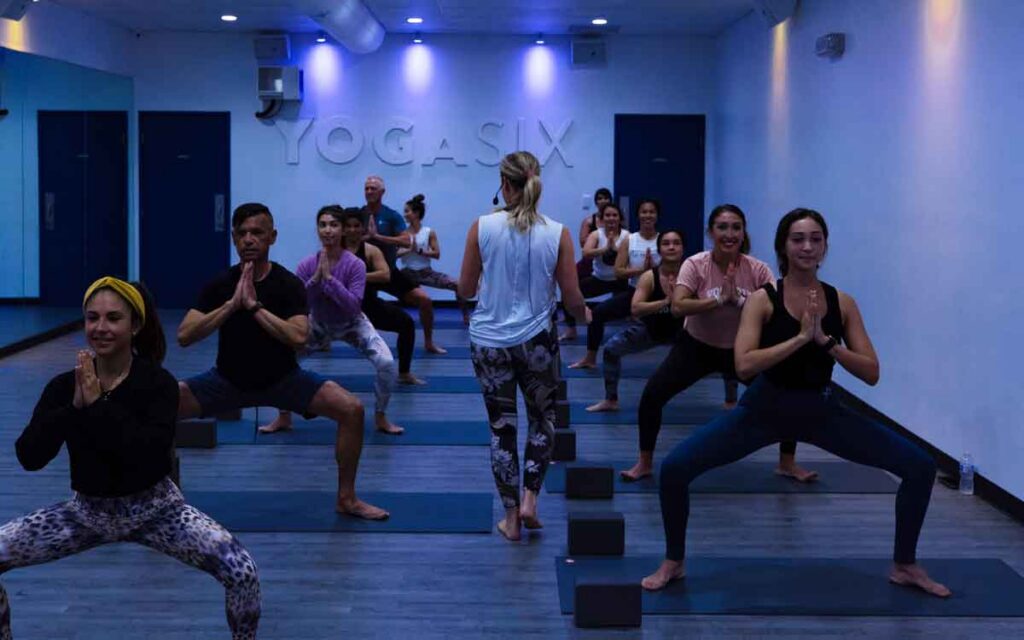
“Genuine member loyalty looks like people being proud to be part of the brand,” said Anthony Chavez, the managing director of YogaSix. “It shows up when they believe they’re taking part in something greater than themselves — something they can be proud of.”
Community First
While programming is still important, some operators believe the strongest group fitness programs are built around human connection.
“So much of loyalty is built outside of the workout itself,” said Chavez. “I teach my team that everybody wants to be seen, felt and heard.”
That inclusive mindset influences everything from member greetings and instructor interactions to post-class conversations. At YogaSix, instructors are encouraged to learn members’ names, understand their goals and facilitate introductions between participants. The club is then able to become an environment where relationships develop organically, and members become connected not only to the workout but also to one another.
EōS’ approach is similar. Joella Hopkins, the EVP of group fitness at EōS Fitness, said the brand intentionally designs classes so participants of all ages and fitness levels can feel successful.
“We want to make sure that literally everybody that walks in they feel welcome right out of the gate,” said Hopkins.
The workout experience is full of that sense of belonging. Instructors are trained to provide exercise options, accommodate injuries and create an atmosphere where no member feels left behind. Combined with themed events, member-requested playlists and social activities, those efforts help transform classes into communities.
Joanna Walker, the global head of marketing at Myzone, said this is where group fitness programming needs to start.
“The most successful group fitness experiences are those members feel confident returning to week after week,” said Walker. “Programming should focus on creating positive momentum, measurable progress and inclusive environments where all fitness levels can participate successfully.”
For more information on Myzone, visit myzone.org
Designing for the Experience
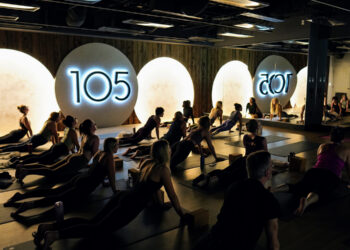
But programming alone isn’t enough anymore. As boutique fitness concepts have reshaped member expectations, clubs are investing in dedicated studio environments that create a distinct identity and elevate the experience.
According to Hopkins, many operators have attempted to replicate boutique concepts simply by placing a new program into and existing studio. She argues that it needs to be more intentional, and EōS is doing that.
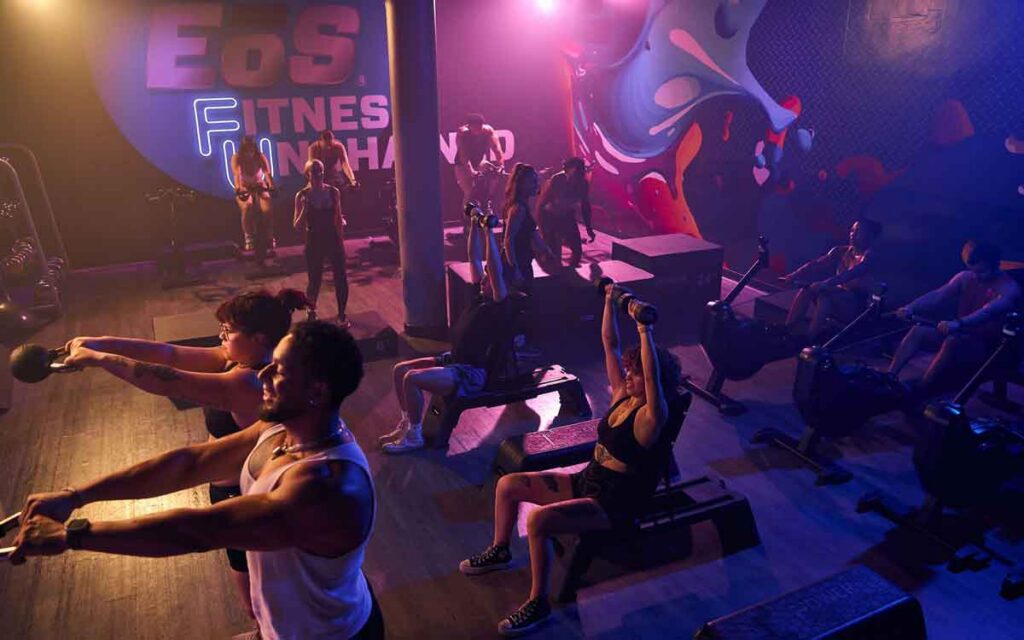
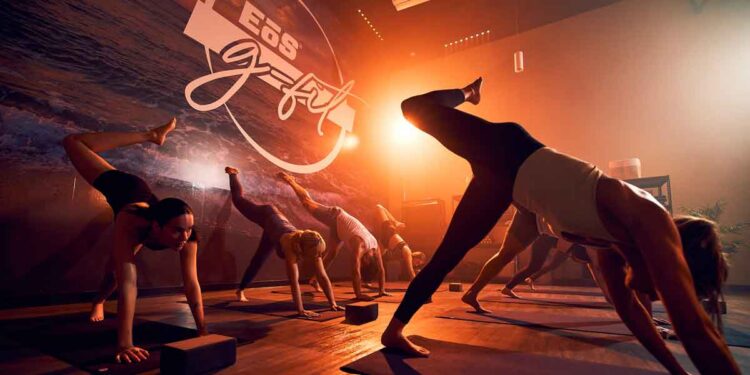
“You absolutely have to learn from them and then go in and make it an experience,” said Hopkins. “The lighting, the sound, the quality of the room. We’re even doing some smaller spaces now to make it more personal than a large group fitness studio.”
Different concepts are paired with unique environments at EōS. Their Fitness Unchained studio features darker colors and a sports-performance aesthetic, while their Booty Builder Lab incorporates bright lighting, specialized equipment and a highly immersive atmosphere. The goal was to create a destination experienced for members instead of just another workout room.
Thoughtful studio design can also help reinforce a program’s identity. When members enter a space that feels intentionally designed for a specific experience, it creates anticipation and helps differentiate the offering from traditional group exercise classes.
Maximizing Every Square Foot
Creating studio spaces is only part of it. Operators must also ensure those spaces are being utilized effectively throughout the day.
Walker noted that some operators are focusing on flexibility and multifunctionality.
“Operators are moving away from single-purpose spaces and creating adaptable environment,” said Walker. “This allows programming to evolve alongside changing member preferences while maximizing usage throughout the day.”
Hopkins described studio space as “prime real estate” and emphasized the importance of keeping room active when classes are not in session.
At EōS, dedicated studios are opened for personal training sessions during off-hours, while premium members can access certain spaces for independent workouts when scheduled events aren’t taking place. This helps maximize the return on square footage while enhancing member value.
Scheduling decisions also play a significant role in utilization. Rather than relying solely on attendance trends, Chavez encourages operators to be strategic about instructor placement.
“One of the biggest missed opportunities is assigning newer instructors to low-demand classes,” said Chavez. “Some of your best teachers should be helping build community in those dead zones.”
The Data Behind It All
Strong instructors can often turn those underperforming time slots into thriving communities, helping smooth attendance fluctuations and expand participation beyond peak hours.
This plays into KPIs and how operators use it to guide programming, staffing and investment decisions.
For Chavez, the three metrics that matter most are capacity, retention and return visits. Tracking how often classes operate near capacity, how frequently members return to the same instructor or format and whether participants continue attending after their first few visits provides valuable insight into program health.
EōS follows a similar data-driven strategy. When a class falls below attendance targets, leaders quickly evaluate the time slot, program fit and instructor performance before making changes.
“Numbers don’t lie, so we’ve got to figure out what’s going on,” said Hopkins.
However, both leaders caution against making changes too quickly. Chavez advocates for testing new concepts through workshops, specialty events and short-term series for before permanently adding them to the schedule. This staged approach allows operators to evaluate demand without disrupting existing programming or confusing members.
The Retention Case
One of the strongest arguments for investing in group fitness comes from its impact on retention. Some operators have viewed it as an expense rather than a revenue driver. Hopkins believes the data tells a different story.
“Our reporting system has shown that our members that have access to group fitness stay longer,” said Hopkins. “So not only are they a higher-paying member, but they’re making our company more money in the long run as a more valuable member.”
Members who regularly participate in group fitness often develop stronger social connections, establish consistent routines and become more integrated into club culture — all factors that contribute to long-term retention.
Myzone has been able to see this as well. The data they have found shows that group fitness is the format that is specifically designed to get people in the doors and helps form habits that keep them coming back because they have that support aspect.
“Users with stronger social connections generated significantly higher activity levels, reinforcing the value of community-driven group fitness,” said Walker.
As club continue searching for ways to stand out in such a competitive industry, group fitness offers a unique opportunity. The clubs seeing the greatest success aren’t simply adding more classes. They’re creating immersive experiences, designing purposeful spaces and fostering communities that keep members coming back.
When programming, people and space work together, group fitness becomes more than an amenity. It becomes a defining part of the member experience.