Operators at EoS Fitness and StretchLab share how recovery is driving engagement and revenue.
For years, recovery amenities occupied the edges of the fitness floor. A sauna tucked into the locker room. A massage chair available for an additional fee. Maybe a foam roller station near the stretching area.
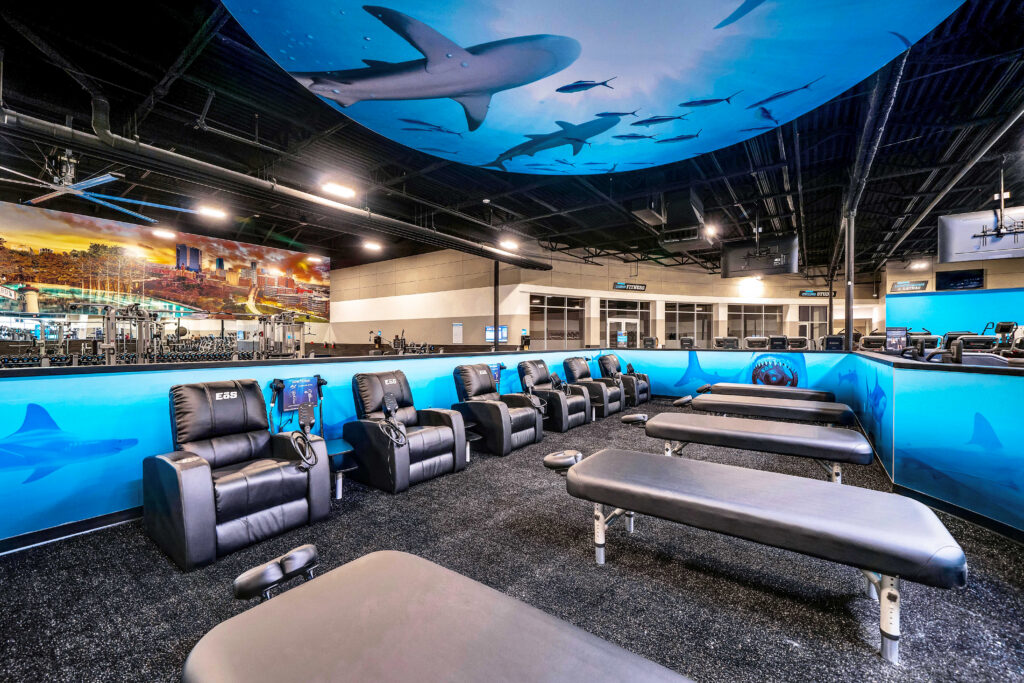
Today, recovery has moved to the center of the member experience and to many clubs’ business models.
Members are Driving the Shift
As consumers look for more comprehensive wellness solutions, operators are finding that recovery isn’t simply another amenity to advertise. It’s a way to increase member engagement and create premium experiences that generate revenue and support retention. Whether through assisted stretching, compression therapy, cold plunges or dedicated recovery spaces, clubs are discovering that the more reasons members have to visit beyond their workout, the more valuable the membership becomes.
The industry’s shift reflects changing consumer behavior. Members no longer separate exercise from recovery. They expect both to be part of the same wellness journey and they’re actively seeking clubs that can deliver that experience under one roof.
At EoS Fitness, that evolution has become apparent as prospective members ask as many questions about recovery amenities as they do about traditional fitness offerings.
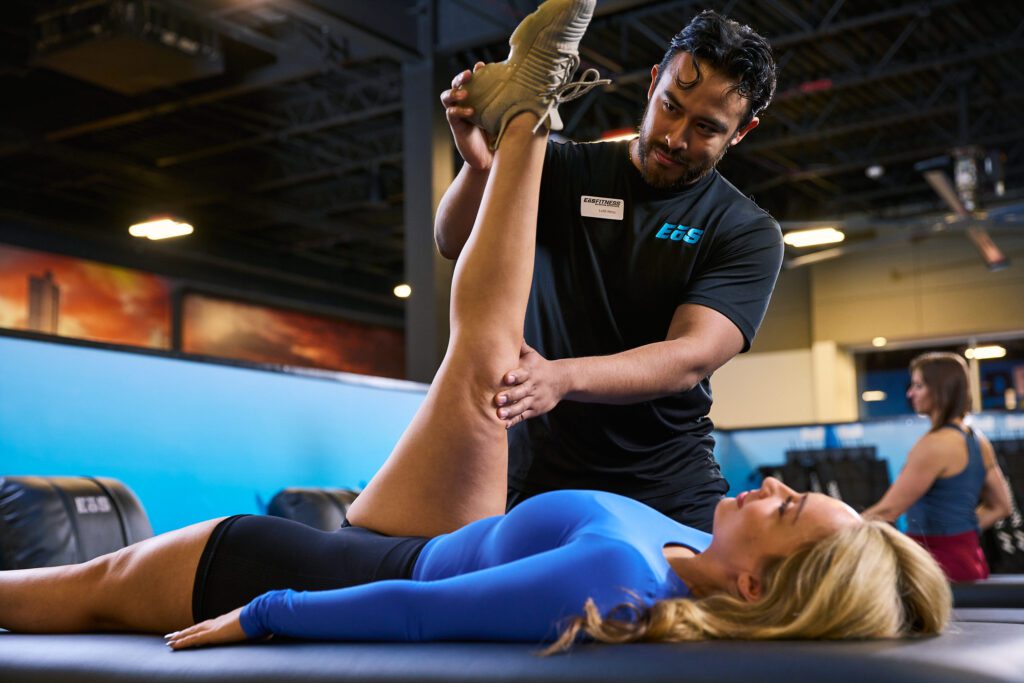
“A few years ago, it was uncommon for a prospective member to ask about recovery, but today they’re asking about offerings like saunas, cold plunges, compression therapy, percussion devices and assisted stretching,” said Rowdy Yates, the EVP of Fitness at EoS. “What it tells us is members no longer view fitness as simply working out. They’re looking for a more complete wellness experience under one roof.”
There’s a significant opportunity for operators with this changing expectation. Recovery services naturally extend the member journey beyond the workout itself. A member may arrive early for an assisted stretch, finish a strength session, and then spend additional time using compression therapy or a sauna. Instead of a 45-minute visit centered on exercise, the club becomes a destination where members invest more time in their overall well-being.
The Power of Personalized Expertise
Longer visits often translate into stronger habits, increased touchpoints with staff and more opportunities to build relationships — all factors that contribute to higher engagement.
StretchLab has built its entire model around that principle.
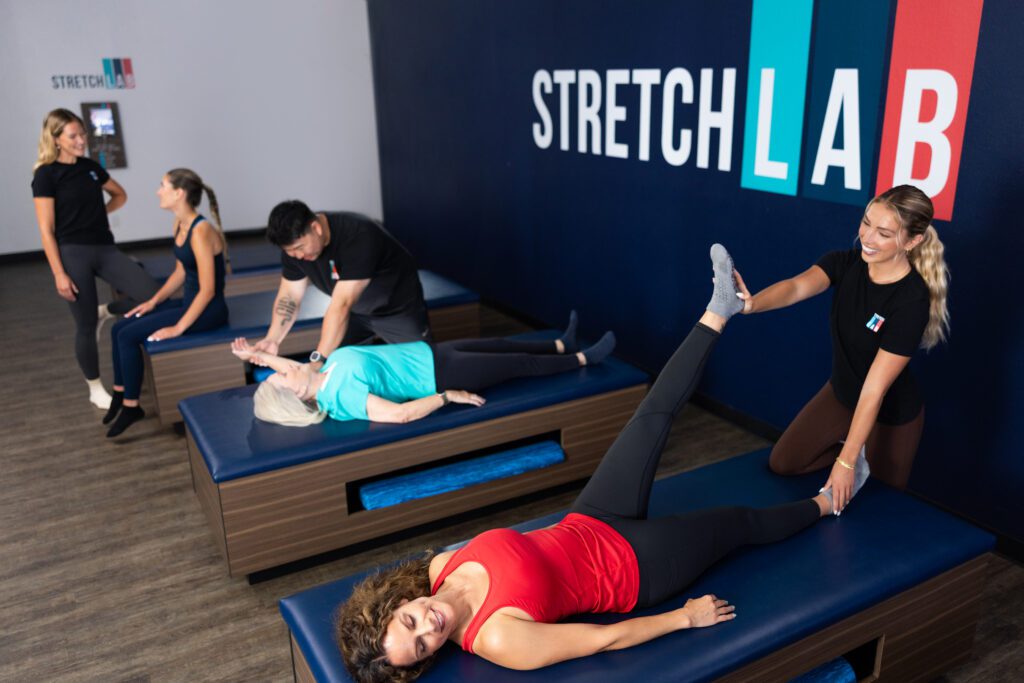
“Our one-on-one assisted stretching sessions are what set us apart,” said Brandon Ruiz, the senior VP of Xponential Fitness, the parent company of StretchLab. “Beyond the physical benefits, members build trusted relationships with their ‘Flexologists,’ creating accountability and a personalized experience that keeps them engaged over the long term.”
That personalized relationship highlights an important distinction between recovery services and traditional amenities. Equipment can be duplicated but experiences built around expert guidance are much harder to replicate.
As AI becomes more common in fitness programming and coaching, clubs have an opportunity to differentiate themselves through human-centered recovery experiences. Technology can provide recommendations or movement assessments, but it cannot physically guide a stretch, adapt to subtle movement patterns or develop the personal accountability that encourages members to return week after week.
New Revenue Pathways
The business implications extend well beyond engagement. Recovery also creates multiple pathways for revenue generation. Many operators bundle premium recovery experiences into higher-tier memberships, while others offer specialized services such as recurring appointments or add-on purchases. Rather than relying solely on dues, recovery allows clubs to diversify revenue while increasing the perceived value of membership.
The most successful operators avoid positioning recovery as a luxury reserved for elite athletes. Instead, they introduce it as an essential component of every member’s fitness plan, allowing premium services to feel like natural extensions of the overall experience rather than upsells.
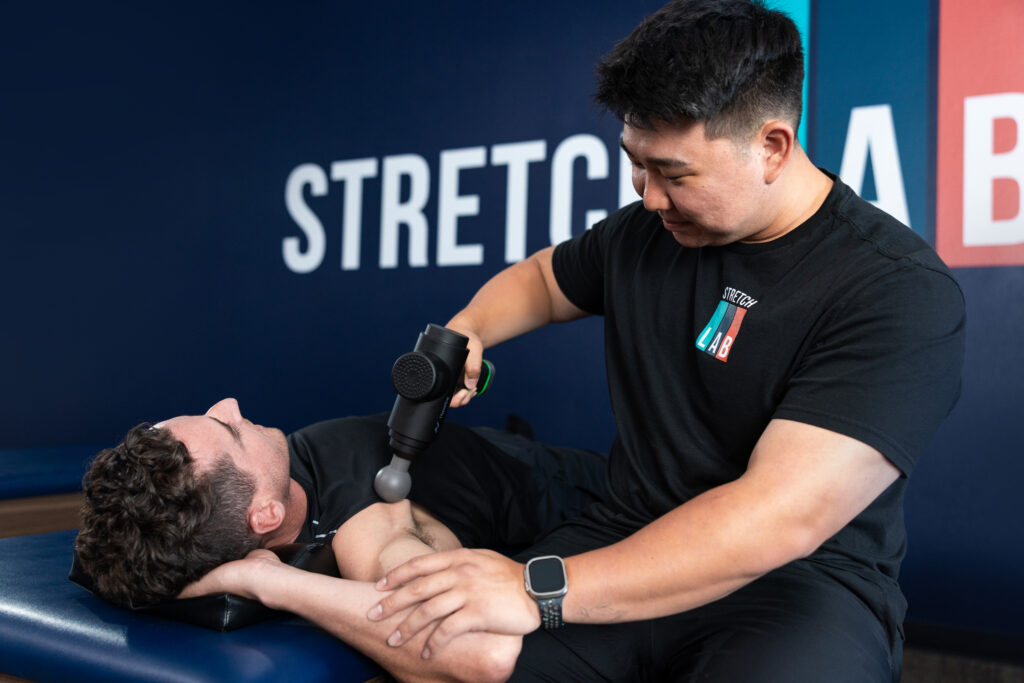
StretchLab’s membership model reflects that philosophy by making assisted stretching the foundation of its offering while allowing members to personalize their experience with additional recovery modalities such as percussion therapy and Normatec compression.
Education Builds Utilization
Education is what makes those offerings successful. Many members understand they should recover better but don’t necessarily know how or why. Clubs that invest in staff training can bridge that gap by connecting recovery directly to individual goals, whether improving performance, reducing soreness or simply making everyday movement easier.
“Our Flexologists are true educators,” said Ruiz. “They’re trained and have the educational experience to inform their members on what the stretch is achieving, tying together the benefits to the member’s goals and holding them accountable that consistency is the key to maintaining progression.”
That education creates confidence and confidence drives utilization.
EoS has taken a similar approach by integrating recovery into the membership consultation rather than introducing it later.
“When we discuss a prospective member’s goals, we cover all aspects of their wellness journey, including strength training, cardiovascular fitness, mobility and recovery, and help them understand how these pieces work together,” said Yates. “When members sit down with our fitness consultants, we identify what’s already working in their routine as well as potential gaps that may have limited progress in the past. Recovery is often one of those missing pieces. By connecting recovery directly to their goals, we help members see its value.”
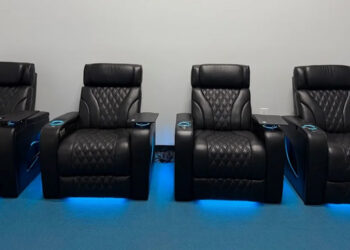
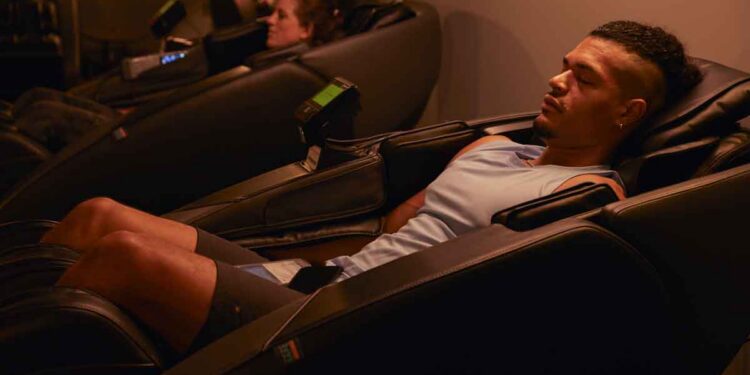
The strategy also encourages cross-utilization. Members introduced to assisted stretching often become more interested in compression therapy, massage chairs, cold plunge experiences and other recovery modalities as they better understand how each supports their fitness goals. Instead of competing for attention, recovery services reinforce one another while increasing overall participation throughout the club.
The Retention Payoff
Ultimately, recovery strengthens retention because it expands the reasons members continue coming back. A member who only visits for cardio equipment can easily compare one gym with another. A member who depends on personalized stretching sessions, values recovery education, enjoys premium wellness amenities and has built relationships with staff experiences a much different proposition. The membership becomes less transactional and more experiential.
That distinction will become increasingly important as the industry continues evolving toward holistic wellness. Members aren’t simply buying access to equipment, but instead are investing in environments that help them feel better, move better and maintain healthy habits over time.
Recovery represents far more than another department or amenity category. It’s a business strategy that drives engagement, supports premium pricing, increases ancillary revenue and reinforces long-term loyalty.
As clubs continue competing for attention in the crowded fitness market, successful clubs will be the ones that create experiences members can’t easily find anywhere else. Recovery is proving to be one of the strongest ways to do exactly that.