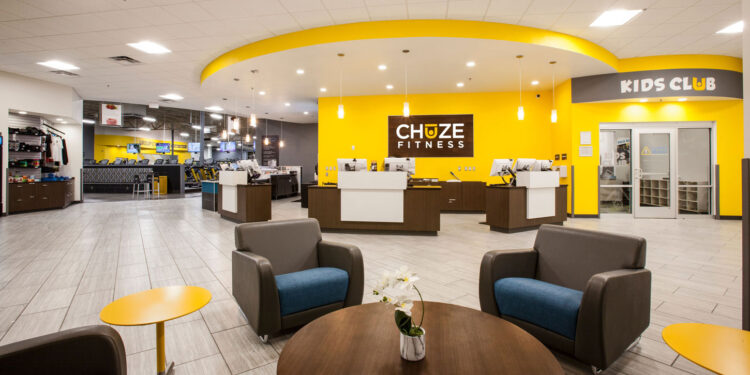
Discover strategies from Chuze Fitness and Wisconsin Athletic Club for choosing, onboarding, and optimizing a CMS to enhance member experiences and drive growth.
For today’s fitness operators, a robust club management software (CMS) is no longer a luxury — it’s a core business tool. From billing and scheduling to member engagement and data analytics, the right platform can streamline operations and create a seamless experience for staff and members alike. But choosing and fully leveraging a CMS takes strategy.
Nicholas Barshick, the COO of Chuze Fitness, knows the process well. Chuze selected ABC Financial as its CMS provider in late 2011, when the company was still a smaller regional player.
“We wanted a software system that was intuitive, secure and scalable,” explained Barshick. “ABC is a large and trusted player in the space and so we decided partnering with them was the right move for us.”
And ABC’s services have created an impact on the Chuze member experience.
Chuze Fitness leverages ABC’s APIs to create frictionless member experiences within their app. Barshick said this functionality allows members to initiate a seven-day pass, join, upgrade, freeze/cancel, book amenities and access controlled areas of the club seamlessly. “These applications help reduce labor and staff training dependencies while also providing a better experience for our members,” he said.
When Wisconsin Athletic Club was looking for a new CMS partner, its main challenges were consolidating member management, billing and other operational tools into a single, scalable platform.
“We needed a CMS that was intuitive for staff, customizable to our workflows and strong in analytics,” explained Chez Misko, the COO of Wisconsin Athletic Club. “What made our choice stand out was its high level of customization, flexible API integrations, and the vendor’s clear commitment to continuous innovation and support.”
When it came to onboarding and training the Wisconsin Athletic Club team on the new system, Misko said a detail launch plan was essential.
The club rolled out onboarding in phases — starting with general managers, followed by department managers and finally frontline team members. Misko said the vendor’s sandbox environment was a great asset, allowing staff to practice before going live. Role-specific, hands-on workshops and shorter, focused training sessions proved more effective than long ones. They also found that spending extra time with supervisors helped them better coach their teams.
“One key takeaway is onboarding shouldn’t end at launch,” said Misko. “We recommend a 12-month onboarding plan with regular feedback sessions and ongoing training. If we were launching today, we’d incorporate both in-person and digital self-study training through our HR app.”
Choosing the right software partner for your facility can be a challenge. Barshick said most CMS companies in the fitness space are billing companies more than they are technology companies. Because of this, he emphasized the importance of finding the right developers and technology partners who can build applications and intelligence tools to give you a clear understanding of your members and how to best serve their needs.
“It would be nice to have a fully integrated CMS with business intelligence, reporting, LLM/GPT integrations, auditing tools, kids club integration and member dashboards that also connects to a customizable member app,” said Barshick. “Additionally, I would look for a CMS that is more nimble and can make processing changes same day or instantaneously.”
If Misko was starting over today he’d focus on scalability, integration capabilities, customization and vendor support when selecting a CMS.
“Demos are helpful, but spending time actually using the sandbox or system is far more revealing,” said Misko. “Also, involve frontline staff in the selection process — they’ll catch usability issues that leadership might overlook.”
If you feel like you are underutilizing your CMS, Misko recommended starting with a usage audit and gather team feedback to identify what’s working and where the pain points are.
“Share this with your vendor to explore underused features or potential optimizations,” said Misko. “Even small changes — like automating reports or customizing dashboards — can lead to major improvements. And don’t worry, underutilization is common. No single system fully meets all the complex needs of our industry, so it’s about making the most of what you have.”
For fitness operators, the right CMS is more than a back-office solution. When implemented thoughtfully, it becomes a strategic engine for your business — driving operational efficiency, enhancing member experiences and providing the insights you need to make smarter decisions. As Misko and Barshick’s experiences show, success isn’t just about selecting software — it’s about ongoing training, optimization and leveraging every tool the system offers. Clubs that invest the time to fully harness their CMS aren’t just keeping up with the industry — they’re positioning themselves for long-term growth, stronger member loyalty and a competitive edge that lasts.