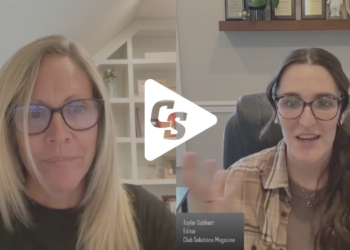
Rusty Hosea of FitnessEMS, shares why silent churn is quietly draining memberships and how to keep members engaged before problems escalate.
Rusty Hosea, the chief revenue officer of FitnessEMS, recently sat down with us to share what he’s seeing across the fitness industry.
With nearly three decades of experience spanning equipment repair, maintenance systems and asset management, FitnessEMS has evolved from a primary focus on equipment uptime to a much broader emphasis on member experience and retention.
Working inside clubs across multiple markets and models, gives him a unique perspective on industrywide trends. What’s emerging, he said, isn’t just a technology shift, it’s a mindset shift.
While many operators are investing in new equipment, expanded amenities, digital tools and AI-driven efficiencies, Hosea believes the biggest retention drivers are more foundational. Small operational friction points, unclear ownership of issues and inconsistent follow-up quietly shape member perception every day. In many cases, they influence attrition long before leadership teams recognize a problem.
From silent churn to “quiet quitting” members, Hosea argues the industry doesn’t necessarily need another bold strategy, it needs fewer surprises. The clubs that will succeed in today’s environment, he suggested, are those that reduce effort for members, surface issues earlier and embed accountability into everyday workflows.
In the video above, Hosea outlines the common struggles he’s seeing across facilities, why hospitality must be built into systems rather than left to personality, and how asset management and member engagement are becoming inseparable. Here are the key takeaways from the conversation:
1. The biggest threat is silent churn.
Most members don’t complain. They quietly disengage when small issues create friction.
2. Friction drives attrition.
It’s not broken equipment, but the effort required to report problems and the uncertainty of how they’ll be handled.
3. Hospitality must be systemized.
Clear ownership, required follow-up and closed feedback loops ensure care is consistent, not personality-dependent.
4. Innovation is human right now.
In an AI-heavy environment, rewarding hospitality and responsiveness may be the real differentiator.
5. Operators need fewer surprises, not new strategies.
Embedding feedback into daily workflow across departments prevents small issues from becoming retention losses.
In a business built on people, the smallest breakdowns can carry the biggest consequences. Clubs that treat operational discipline as an extension of hospitality — not a separate function — won’t just fix equipment faster. They’ll build trust faster.